The short of it is that one should not swim with a new tattoo until it has healed. For the majority, a period of two to four weeks is what is required, though more extensive work or heavy shading will need additional time. So long as there is any weeping, redness, soreness, scabs or a shiny quality to the skin, the pool, spa, rivers, lakes or the surf are off limits.
A shower is no problem once the tattooist gives the go ahead, but swimming is an altogether different matter with its soaking, sun, friction, bacteria and chemicals. That is a hard combination for something that is in effect an open wound with some costly art on top of it. I am Carys Lindley and have made it my business over the years to deal with the practicalities of beauty, wellness and travel across Australia. Here I put forward some realistic advice on timing and how to avoid the pitfalls.
The Short Answer
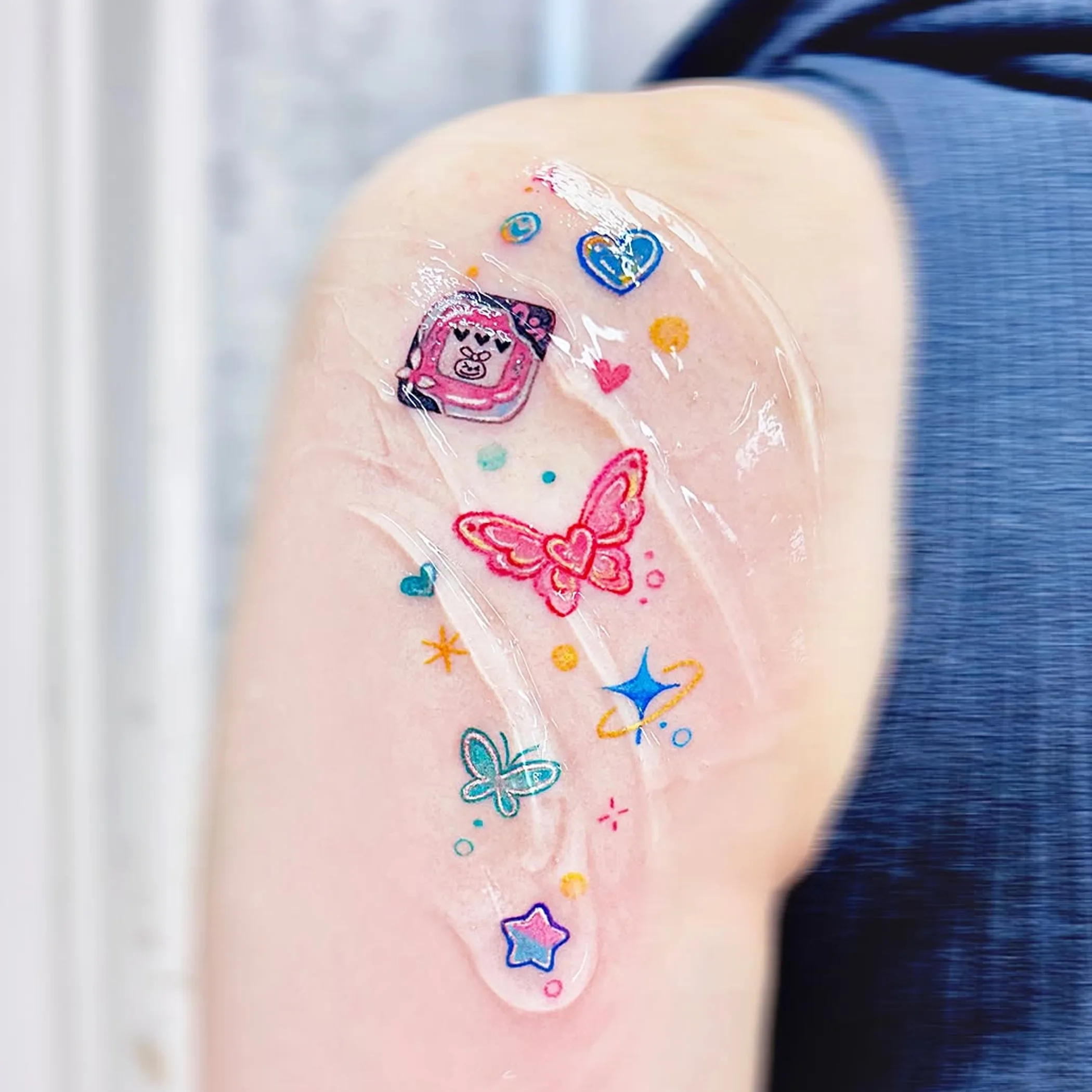
Do not be in the water until the tattoo is completely healed. While two to four weeks is the norm, it is dependent on the size and placement of the piece, the density of the ink, your own skin and whether you have been diligent with aftercare. Follow these initial tattoo cleaning steps as part of your aftercare routine.
One week in is too early for most. The surface may appear in order but deeper down the skin is still at work mending itself. It is better to put off swimming a few days than have to contend with blurred lines, fading or an infection.
Put it to the test
Your skin should have a normal texture and feel. You want to see none of the telltale signs of peeling, tenderness, discharge, a glossy look or scabbing. When in doubt, put a question to your tattooist or another health professional.
| Water Activity | Practical Waiting Guide | Why It Matters |
|---|---|---|
| Quick shower | Short exposure is not like soaking; generally you can have one if you wash carefully. | Short exposure is different from soaking |
| Swimming pool | Chlorine and moisture from a pool will do nothing for healing skin. Wait the two to four weeks for it to be fully healed. | Chlorine, bacteria and prolonged moisture can irritate healing skin |
| Ocean or surf | Salt, sand and waves along with the sun and marine bacteria are all irritants. Wait for full healing. | Salt water, sand, marine bacteria, waves and sun increase irritation |
| River or lake | Natural waters have their share of pollutants and bacteria. Do not go in until healed. | Natural water can contain bacteria, parasites and pollutants |
| Hot tub or spa | Shared warm water runs a higher risk of infection and overheating. Wait. | Warm, shared water can carry a higher infection risk |
| Sauna | Heat and sweat have a way of softening scabs and causing irritation so let the skin heal and settle first. | Heat and sweat can soften scabs and aggravate irritation |
Protection For A Fresh Tattoo
It is more than just colour on the skin. The needles have put thousands of punctures in the area and it has to put up a protective barrier again. Put the skin in water before its time and you will soften the scabs and upset the surface.
Water per se is not the enemy, it is the circumstances. At home a shower is a quick rinse. In a public pool you are in shared water with the chemicals and the rest of the swimmers and what they have brought with them. No need to make a report out of it.
Infection And Irritation
Get in the water prematurely and you invite redness, swelling and pain. Rivers and the ocean are home to microorganisms and Vibrio species of marine bacteria can be serious trouble if they get into broken skin, depending on where you are.
Then there is chlorine which can be aggravating. It might not “wash the ink out” but the rubbing, dryness and peeling it causes can leave a badly healed tattoo looking anything but crisp.
For matters of wound care I would refer you to Healthdirect. But your tattooist’s instructions come first given that every case is different.
How Long To Wait In Australia
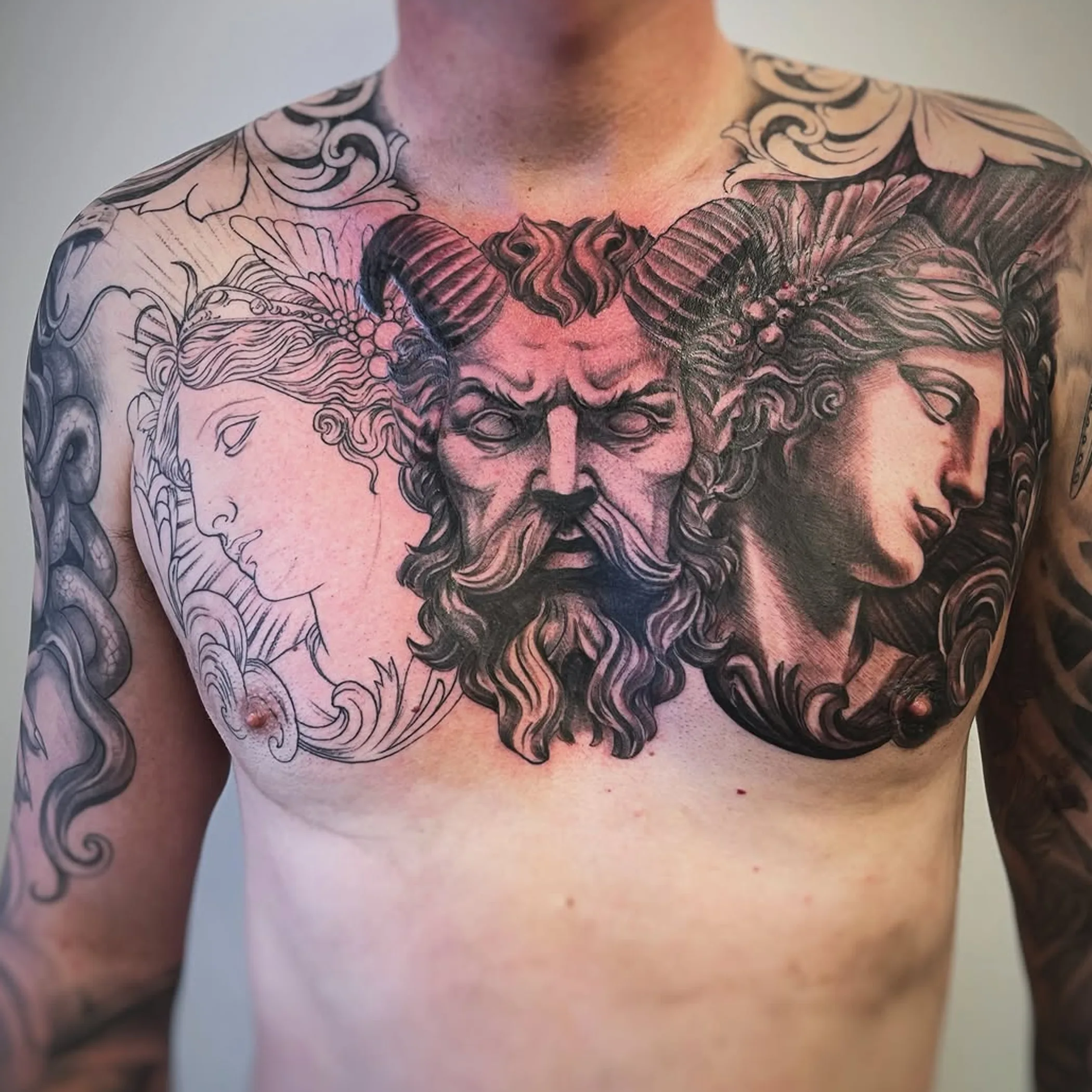
You can swim when the tattoo is fully healed, in principle. Plan on a minimum of two weeks and then have a good look at the skin, not just the calendar.
Aftercare is not always straightforward in this climate. The heat brings on the sweat and in the north the wet season can have humidity clinging to the tattoo for longer. There is a certain amount of trouble the strong sun can bring in Adelaide, Sydney or on the Victorian coast, even if the temperature is mild.
Make Your Plans Accordingly
Should you be putting in for a tattoo ahead of a beach getaway, it is better to have it done at the tail end of your trip. This holds true for any destination where swimming is de rigueur, like Bali or Bondi.
I have seen this error time and again in my work with travellers arranging beauty appointments: one will book a tattoo a couple of days before checking into a resort under the impression that a waterproof cover is all that is needed. It is not. The result is a holiday spent with a clean shirt in hand, no pool time and some resentment towards the self of two days prior.
For a single day in a coastal city such as Sydney or Adelaide, put the tattoo appointment first and make for something dry afterwards. A café, market or an unassuming sightseeing route is preferable to making a day of the beach. Take public transport or set up a direct return so as to spare yourself from walking kilometres in the heat with a backpack strap chafing over the new ink.
On the subject of pools
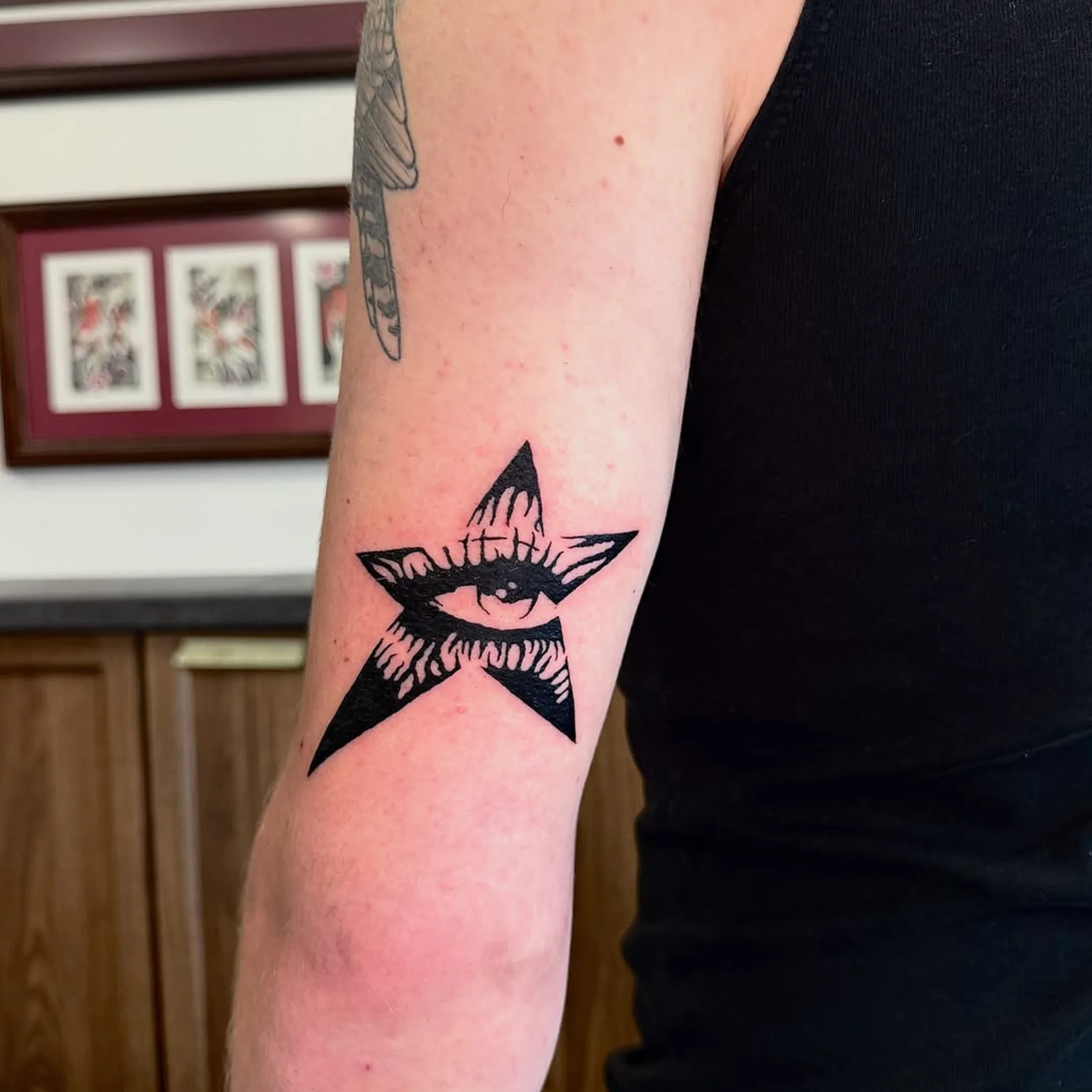
It is worth knowing when you can get in a pool after a tattoo; they are a controlled environment, after all. More so than you would find in nature, yet they are chlorinated and meant for swimmers, not for tending to a wound. Let the tattoo heal completely. Chlorine has a way of drying and aggravating the skin and prolonged soaking will soften scabs and peeling. Then there is the matter of friction from a bench or towel, or an accidental bump on the edge of the pool.
Common Misconceptions
A lot of people think a wrap renders them safe to swim. At best it will see you through an inadvertent splash, it is hardly a free pass for an hour of laps. Water will find its way in and the moisture left behind is irritating. Leave the cling wrap and other home-made dressings to the side unless told otherwise by someone who knows what they are doing. There is no dressing that is a substitute for time, so until you are healed, do not go swimming.
The Ocean, Rivers and Lakes
You will be told to wait for full healing before heading out to the ocean and for good reason. Salt water is no safeguard for a fresh tattoo and you have to contend with waves, sand, wind and the UV rays. Sand is a nuisance, getting in the ointment and hard to dislodge from peeling skin without a good scrub. And the surf has a habit of yanking at your clothes or putting the tattoo in contact with a board or rock. One minute a beach is calm, the next the tides and weather have altered things.
Is it feasible to go for a swim 2 weeks down the line? Only provided the tattoo is in fact fully healed. Two weeks is more of a marker than an assurance; a small line will put itself right quicker than a sizeable back piece or one in a spot where clothes rub. Any redness, pain or scabbing means you should stay out of the water. Heed the authorities’ warnings on water quality following a rain, and be wary of estuaries and stormwater outlets. Folks tend to be preoccupied with sharks and overlook the bacteria. An overconfident traveller can be made to look foolish by the ocean in many ways.
Exercise greater circumspection with rivers and lakes. Algal blooms, runoff or flooding can alter the water and in some remote places a drive to medical help is not uncommon, so take heed of council advice and signs once the tattoo is done.
Spas and Saunas
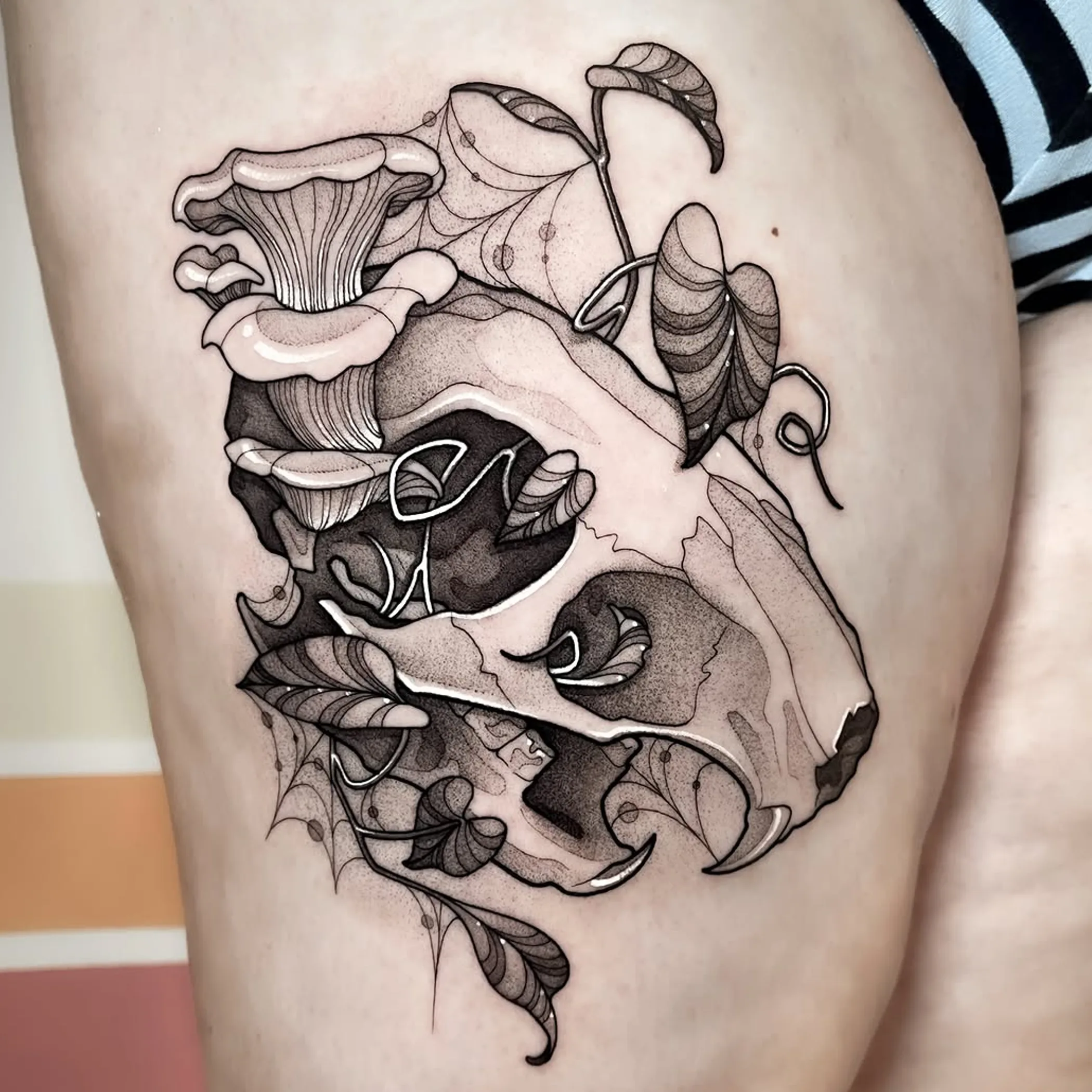
Put off the hot tubs and spas. The warm water is a breeding ground for bacteria and the heat brings on sweating and redness. You will not find much ingenuity in combining that with other people. A sauna is no different in that the sweat will sting and the wiping will cause friction. Even a bath is a form of soaking, however unobjectionable the water may seem.
Heat Is Not Aftercare
A lukewarm shower is to be preferred over a very hot one. Let the tattoo heal without any steaming, scrubbing or soaking. A sauna is best put aside in favour of some light exercise so long as you are not subjecting the area to sweat, rubbing or constrictive clothing.
If it gets wet
There is no need for alarm if your new tattoo is inadvertently splashed. Should the occasion arise, give it a gentle rinse with clean water at a lukewarm temperature and dry it off with a fresh paper towel or a disposable one that is clean. Then adhere to the aftercare regimen set out by your tattooist.
Under no circumstances should you apply an antiseptic of your own choosing, re-wrap the place in cling film, pick at scabs or scrub. Be on the lookout for fever, pus, red streaks, swelling, heat or pain that is on the increase, or any redness that is getting worse. These are signs that warrant medical attention without delay.
Second skin is not to be confused with swimwear
The general answer is no, you cannot swim with second skin on. While it will stand up to the rigours of normal life and protect the tattoo, it is not designed to make extended time in the water safe unless your tattooist has given you leave to do so with that particular product.
Should the dressing leak, fill with fluid or come unglued, put in a call to your tattooist. Pressing down a loose edge once water has got in is not advisable; the moisture will only serve to irritate the skin.
While you are healing
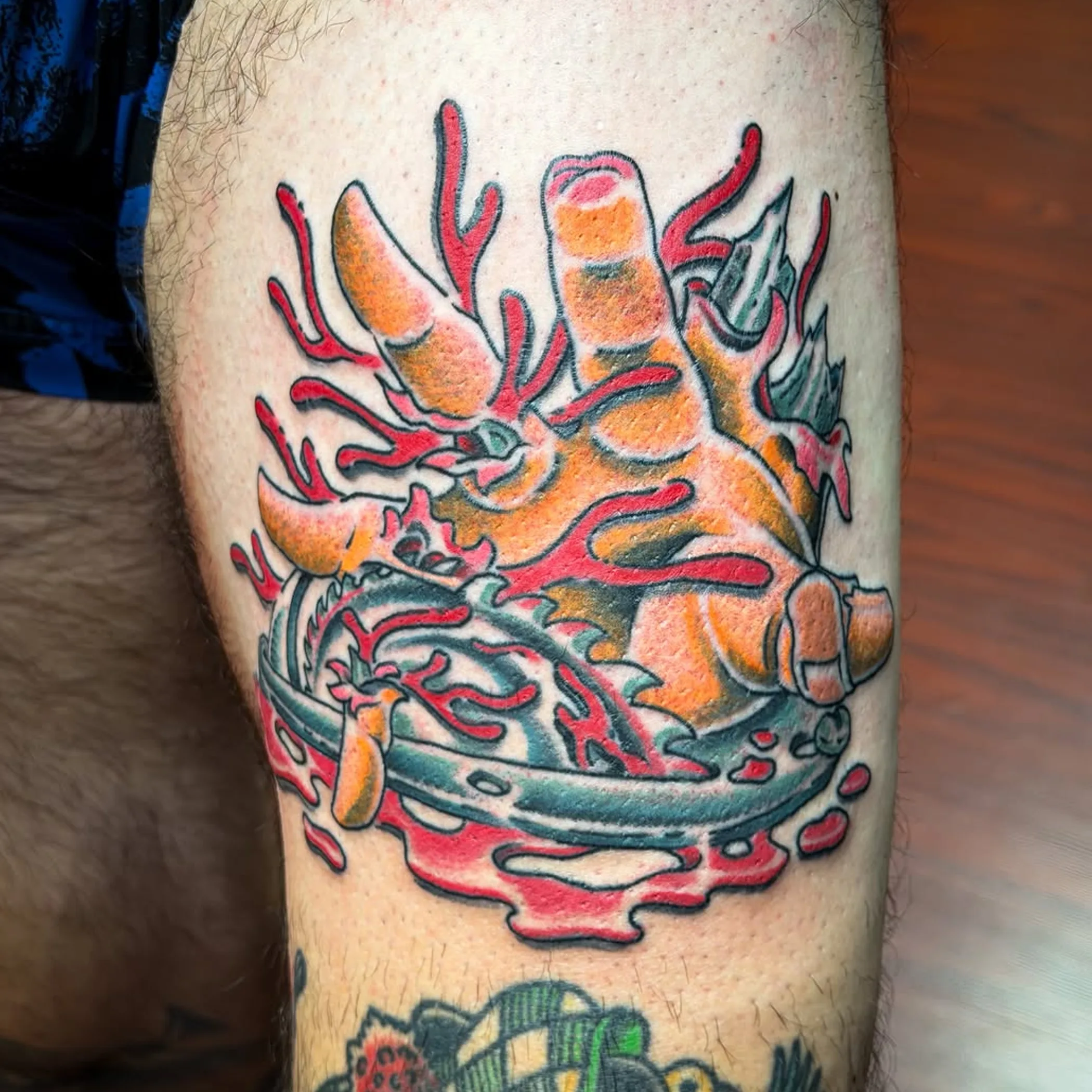
One tattoo does not mean you have to forgo your Australian summer. Make your plans for the day ones that are shaded, dry and free of friction while the skin mends. There is no reason you can not put in a coastal walk, see what a market has to offer or get about town without going in the water.
An easy walk is fine if you can avoid making the tattoo rub against equipment or become perspired. Put on something clean and roomy and eschew waistbands, straps or backpacks in the vicinity. When you are out of doors, seek the shade and put some protection on the skin around the tattoo from the UV.
Things to remember
- Put off the tattoo until you have finished with any swimming you have planned.
- Have a spare shirt and some loose, clean clothes in your bag, as well as paper towels in case of an accidental splash.
- Do not let anyone else use your lotions, dressings or towels.
- If there is a chance of heat and sweat, keep your return route a short one.
And once the skin has closed and is settled, sun protection is still in order. Apply a broad-spectrum SPF 30+ and cover the tattoo when you can; frequent trips to the beach and the resulting UV exposure will eventually lead to fading.
For the initial cleaning
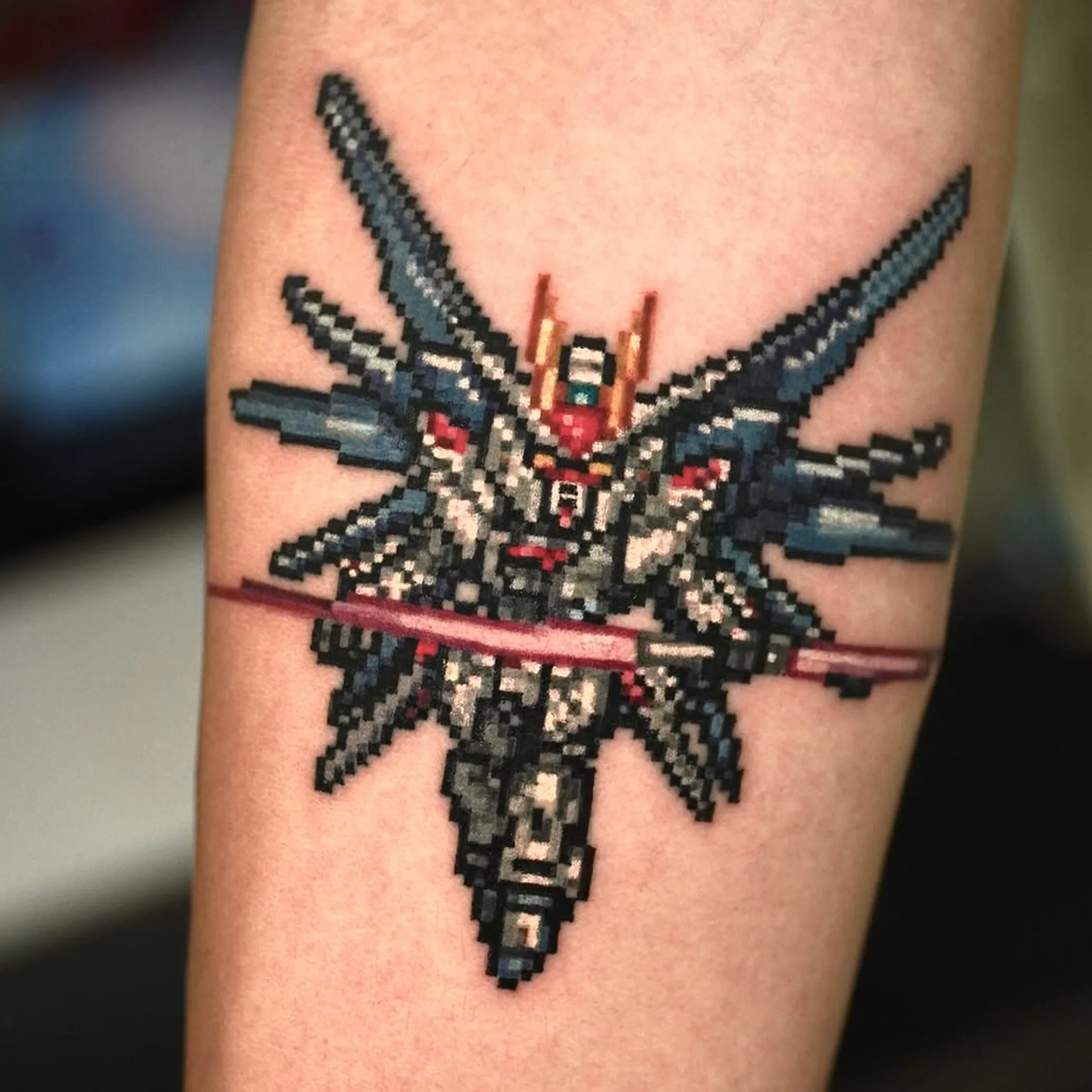
Your tattooist’s word is final here since products and dressings are not all the same. But as a rule of thumb: wash your hands, then remove the dressing as you were told and put some mild soap and lukewarm water to the area. Rinse the soap off, do not rub. A clean paper towel will do to pat it dry before you put on a thin layer of the aftercare product you have been recommended; any more than that and you will have sticky, moisture bound skin. Leave the tattoo to breathe as advised and make sure your clothing is of the loose and clean variety.
- Wash your hands thoroughly before touching the tattoo.
- Clean the area gently with lukewarm water and mild soap.
- Pat it dry rather than rubbing it.
- Use the recommended aftercare product sparingly.
- Repeat only as instructed and monitor the skin while it heals.
Do not be tempted to pick at peeling or scabbing. The colour may give the impression the tattoo is done but the skin below can still be vulnerable.
Some questions we get asked
When can I go for a swim?
Not until the tattoo is completely through its healing process, two to four weeks is the norm. A week is too early in most cases. Look for any discharge, shine, tenderness, peeling or scabbing before you get in the water.
Is the beach an option at the two week mark?
Provided the tattoo is fully healed. It might be enough time for a small piece of work but it is not a hard and fast rule. With the ocean there is sand, surf, sun and marine bacteria to contend with, all of which add to the risk of swimming before the skin has sealed.
What of chlorine in a pool?
It dries and irritates. Soaking and the friction of it can upset any scabbing. You may not lose the ink to it but you could end up with blurred lines or patchiness from poor healing. Best to wait.
How to shield a new tattoo in the water?
By not swimming until it is healed. A waterproof wrap used as a professional would instruct might stave off a stray splash but it is not a licence for a long swim. Ordinary plastic wrap from the house will not suffice.
And what of second skin?
It will not of itself make swimming safe. Water can find its way under a lifted edge. Heed your tattooist and wait.
Make The Dry Choice
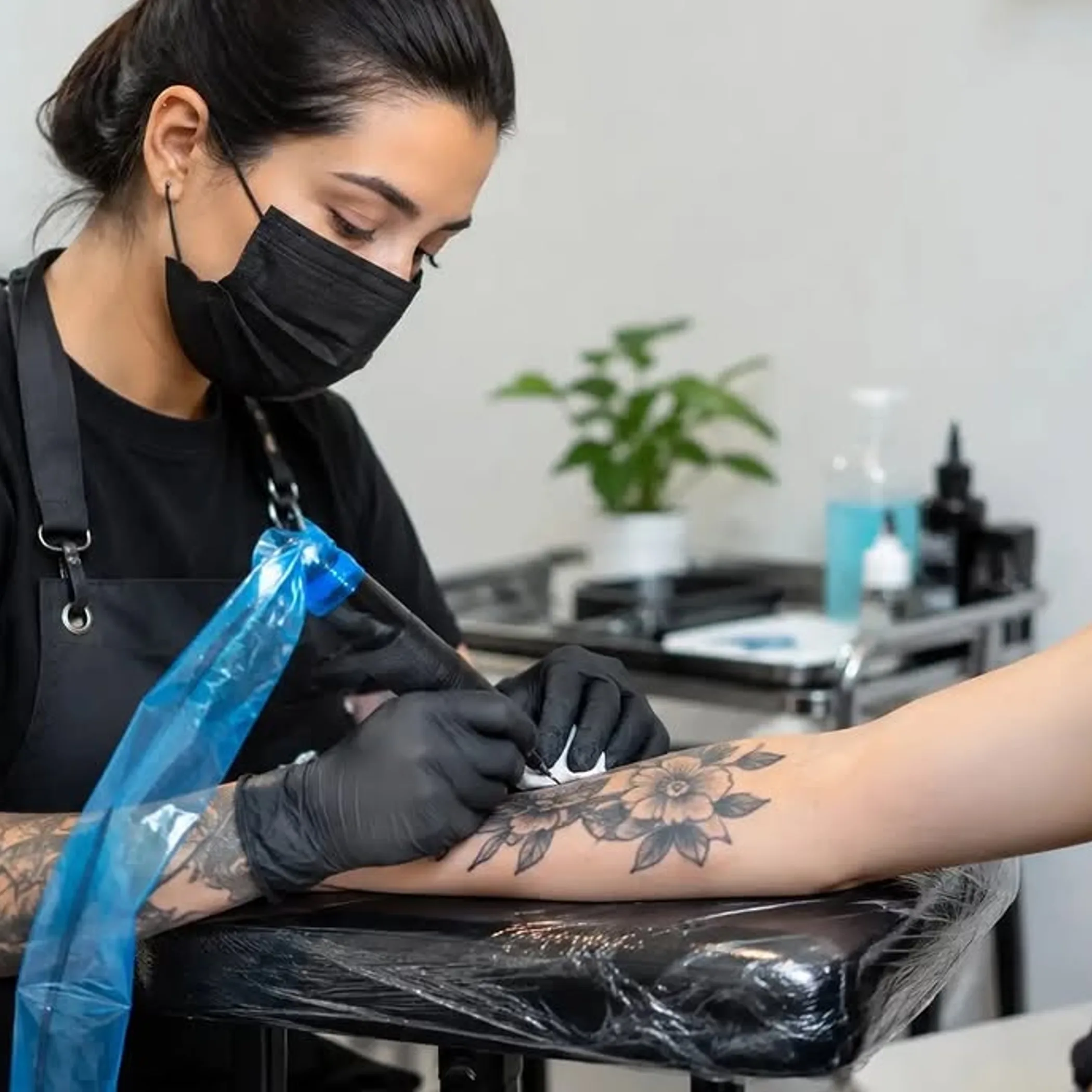
In Australia the prudent thing is to let the tattoo heal before you think of swimming. Pools have their chlorine and shared water, rivers and lakes have variable quality, a spa means heat and soaking, and at the beach you have salt and UV to deal with.
Plan accordingly and in the first few weeks keep things dry. Take any persistent redness or pain in stride. You can always make your way back to the local pool or Bondi, Adelaide or Bali later. Your tattoo will be there and, to be frank, it will show for the patience you have shown.