With Best Wine Touring Seasons you have a no-nonsense guide to picking your season in Australia in 2026. Autumn is the top all-round pick for the majority of travellers: the vineyards are put to work with grape picking, cellar doors have a vintage energy about them and one can expect comfortable weather. Then there is spring, which is not far behind for its mildness, less crowded lanes and verdant vineyards.
Carys Lindley here. I am a travel writer from Adelaide and over the years I have put together regional itineraries and made sure of the parking situation, or ascertained if a wine day billed as relaxed is in fact a mad scramble between appointments. To put it simply: for the harvest go in autumn, for hearty regional food and an undisturbed tasting in winter; make it a road trip in spring or a long lunch in the summer. But then again, conditions in Australia are not uniform so it is a matter of your region and how much heat and company you will stand.
Your 2026 Season At A Glance
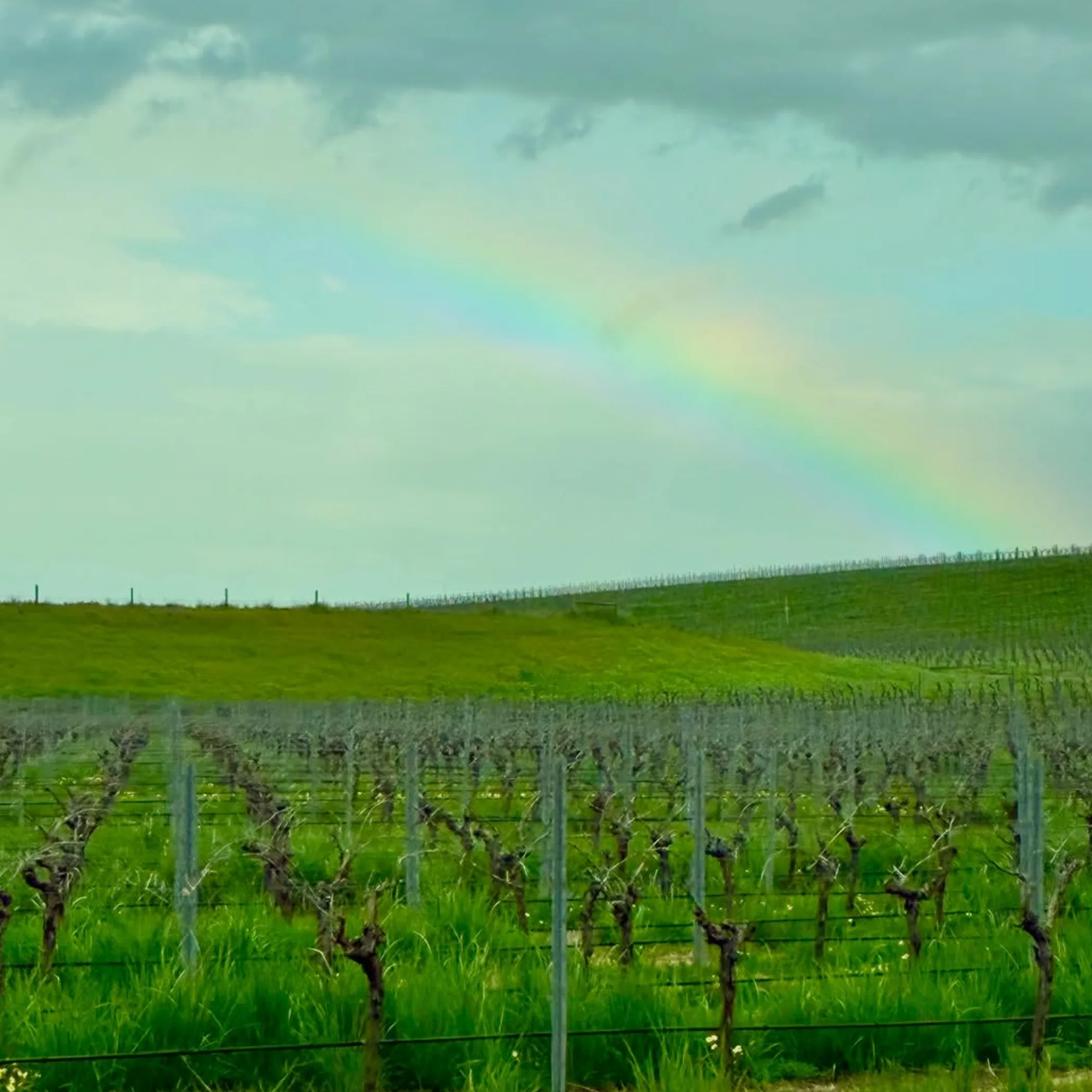
It is what you want to do that will dictate the time of year for your Australian wine tour. There is more of an atmosphere in autumn, whereas winter lends itself to easier accommodation and a more personal exchange at the cellar door. Australian winery overnight stays can also suit those looking for a more relaxed visit. Summer is fine for a long lunch provided you are mindful of bushfire and heat issues, and the fresh scenery of spring will appeal to those who like their weather mild.
One must remember the climate zones in this country. An afternoon in Tasmania is cool where a South Australian autumn can be warm, and Victoria is crisp while northern New South Wales is humid. Do consult the Bureau of Meteorology for the official word on seasonal comparisons and look at local forecasts before you set off.
| Season | Best For | Typical Experience | What To Watch |
|---|---|---|---|
| Autumn | Harvest atmosphere | Grape picking, vintage activity and good regional food | Busy weekends, changing weather and rooms in short supply |
| Winter | Quiet cellar doors | Slower conversations, fireplaces and barrel tasting | Wet roads and the early dark |
| Spring | Mild road trips | Walking in comfort among the flowers and green vines | Wind and rain, event dates |
| Summer | Outdoor dining | Evening tastings, coastal excursions and long lunches | Fire danger, heat and accommodation demand |
For planning purposes, two or three cellar doors is enough for a full day, there is no need to amass tastings as one might fridge magnets. Factor in the drive, the parking and the talk of whether the boot has room for another bottle and an hour or two per stop is about right.
Australian Wine Touring By Season

The seasons in an Australian wine region are not just about the colour of the vines, they govern opening hours, restaurant bookings, the price of a room and the state of the roads.
Do not think of there being a national harvest season. Picking is dictated by latitude, rainfall, altitude and the variety of the grape. Broadly speaking the warmer places will start earlier than the cooler ones but each vineyard has its own way of doing things. This variability is well explained in the Australian climate zones guide, which highlights regional differences affecting grape harvesting.
Autumn: Harvest Experiences
If you want to see the vineyards in action, autumn is generally the best time in Australia. The vintage season is upon us in many parts of the country, with winemakers and delivery trucks focused on the year’s fruit. It is as close as a visitor is likely to come to the business end of production without having to don gumboots and get a forklift licence.
Travellers who value atmosphere will find autumn to their liking. One can walk from building to building in comfort during the day though the evening has a way of turning cold, in the Yarra or Tamar Valleys and the Adelaide Hills in particular, so have layers to hand.
And do not assume you can go grape picking at every vineyard. Some will not allow it on grounds of safety or hygiene. If that is important to you, ring the cellar door first; they may have a vintage talk or a behind-the-scenes tasting in mind instead.
Weekends in the Hunter, Barossa or McLaren Vale can be anything but quiet. Put in your bookings for transport and lunch well in advance. And if you are behind the wheel, have a designated driver sorted before you have your first taste, not after. You would not trust a paper umbrella with that sort of thing.
Winter: Quieter Cellar Doors
Those of a mind for fewer crowds and a slower pace will find winter the most agreeable time for a wine tour in Australia. There is a certain quiet to cellar doors in winter that lends itself to more in depth conversation on the subject of soil, barrel tasting, blending and the like. Wineries will put out fireside meals or long lunches with regional fare for the cooler weather.
But one should not expect uniform conditions. You might have cold mornings giving way to clear afternoons in South Australia, whereas Margaret River can be wet and windy. The Hunter Valley is mild by day but damp at night. In Tasmania’s Tamar Valley it is wise to have an itinerary with some give to it; a bit of rain will put paid to your walking plans in short order.
Then there is the matter of scheduling. It is easier to make time for two or three cellar doors without contending with the traffic of peak season, though smaller operations may be on reduced hours or only take appointments. A word to the effect of checking opening times before you set out from your accommodation would be prudent.
For an overnight at an Australian winery winter is a fine time. There is no need to putter back to the city so a one-night stay is more of a leisurely affair. Dine in, forego the long drive home and in the morning have a decent breakfast as opposed to a muesli bar from the glove box.
Spring: Mild Weather And Flowers
Those looking for comfortable temperatures and a vineyard with more colour to it will find spring a sound option for their wine tours. The vines are putting on new growth and the regional roads are more to be savoured than in the height of summer.
A road trip through the Adelaide Hills, Mornington Peninsula, Yarra or Tamar Valleys has its appeal in spring, allowing one to partake of the local food and wine without overexertion. Do not be in too much of a hurry on country roads with cyclists and farm vehicles about, or when the surface is still wet. What appears a short route on paper can be longer for all the bends and local traffic.
Do not assume the sun will be out. Wind will see off any outdoor table and rain comes without warning. Have a light waterproof jacket to hand and make sure if your tasting is under cover or in the open. If you have accessibility concerns, enquire as to the distance from parking to the cellar door and whether there are steps or gravel to contend with.
Travellers who do not care for venues that are heaving with people will also be suited to spring. Weekdays are for the most part manageable, even if crowds congregate for a public holiday or festival. Put in a booking at the better restaurants but keep an hour or so free for an impromptu stop at a bakery or farm shop.
Summer: Long Days Outdoors
With the daylight and warm evenings of summer come ample chances for wine tasting in the open. It is well suited to those who want to pair a visit to the vineyard with a coastal run, a picnic or some evening entertainment, say in Margaret River or the Hunter Valley.
The heat is what you have to put up with. The vineyard can be quite exposed midday even if the tasting room is not. Make a point of doing your outdoor activities early and do not leave anyone or any wine in a hot car. Summer travel is subject to bushfire warnings and smoke, so check the state of things on the morning you are due to go.
In some warmer climes the harvest will be underway. But do not think every winery will be at it when you get there; ripeness and weather dictate the timing from year to year. An advertised harvest event is just that, not an assurance of access.
Best Seasons By Wine Region

What makes for a good Australian wine region to put on the calendar is a function of the climate, how much driving one is amenable to and the sort of experience desired.
Barossa Valley and McLaren Vale in South Australia are outstanding in autumn for the harvest ambience and variety at the cellar door. Adelaide Hills is more to the point in spring and early autumn when it is cooler. Winter offers a quietness to the tastings but the rain can take the edge off some of the outdoor offerings.
For a winter or spring trip the Hunter Valley in New South Wales is comfortable enough to get between wineries. One can enjoy the summer there but flexible bookings are called for with the heat and storms. The region is large so it is economical of time and fuel to stick to cellar doors in close proximity.
The Yarra Valley and Mornington Peninsula in Victoria are very good in spring and autumn. The former is apt for a vineyard lunch and a cool-climate wine, the latter for its beaches and coastal food as well as the wine. In the winter months unsealed driveways can be slick with rain so put a question to your hosts about access and parking.
Western Australia’s Margaret River is a dependable destination in spring, autumn and the early part of summer where the wine, the food and the coast will vie for your interest. Do not be surprised to find the cellar doors further apart than you might have thought on first inspection; put in some planning to make a loop of it and check your return route before supposing every road is a short cut.
Then there is the Tamar Valley in Tasmania which is better taken at a leisurely pace. The days are longer in spring and summer, but come autumn for the colour and a more sedate tempo. One should not trust a friendly forecast entirely as the weather has a way of turning, so have warm layers to hand. Make it two nights minimum if you have come from the mainland, do not try to fit the area into a hasty day trip.
Plan Your 2026 Wine Tour
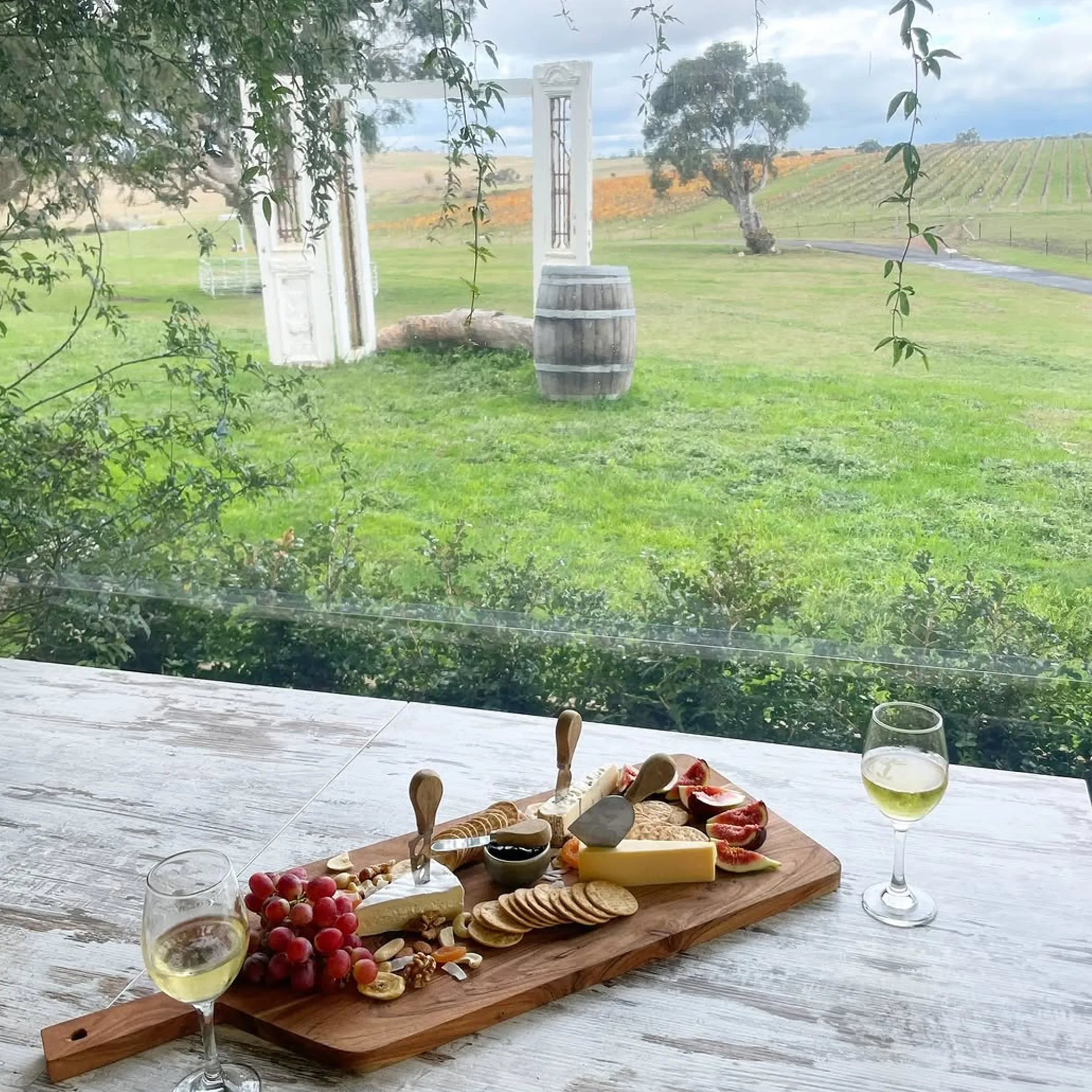
An ambitious spreadsheet is no substitute for a sensible route when it comes to a wine tour. Pick a base and group the cellar doors by proximity, making allowances for lunch, a good view or what delays may come. Three tastings done properly will be preferred to six in a hurry by most.
Should you be limited to a single day, go for the part of a region with the best food and least driving. In the Barossa Valley one might opt for a compact circuit of a few well known cellar doors; in the Adelaide Hills factor in the time for the winding roads; in Margaret River stick to a northern or southern cluster instead of trying to cover the lot.
As for getting around, there are private drivers, self-drive, small-group tours, taxis and rideshare where they are to be had. Public transport is not much of an option in these parts, so do not structure your plans around a service that puts on only a handful of runs a day. A private driver can put more money out of pocket at the start but for a party of four or five it is worth it to not have to appoint a driver.
Budgeting should be done with an eye on accommodation, fuel, transport, lunch and tasting fees as separate items. Some will waive the fee on a purchase but it is not universal. Put a per-person cap on things before you get there, as a weekend with boutique lodging and restaurant bills plus the odd premium tasting adds up fast. And book your lunch and cellar doors in advance, for an autumn weekend at any rate.
- Confirm the hours, what is required for an appointment and the like.
- Have a designated driver or a licensed tour.
- See what the weather and fire warnings are saying and if any local events have shut down a road.
- Be sure to have water and sun protection.
- Have something to put the bottles in.
This is an affair for the adult who has a taste for regional scenery, conversation and a bit of flexibility on the open road. Not for those who would be put out if a venue was closed because they did not book, or who are not keen on country roads. Families are welcome in many a region provided you have checked the age policy and that the tasting room is amenable to children.
I have made the error of putting off my accommodation until the last week of a sought after autumn weekend. The room I was left with was spotless enough but its distance from the wineries made of dinner a matter of logistics. In the Yarra Valley, Margaret River or the Barossa Valley, book the bed first.
Frequently Asked Questions

What Is The Best Month To Visit Wine Regions?
March and April are often very good, offering harvest activity and agreeable weather. But vintage timing is a regional thing so check local programmes. For greener vineyards and to avoid the peak season crowds, the spring months are preferable.
What Is The Best Season For Wine Tasting?
Autumn for the atmosphere and food, winter for a quiet cellar door. Summer is fine for dining outside if the heat and fire conditions are not too much. Spring is comfortable for touring.
When Is Grape Harvest Season?
From late summer into autumn in most cases, though it is dependent on the weather and the variety of grape. The warmer regions will get going earlier. Get in touch with the winery if you are set on seeing the picking.
What Is The Best Wine Region To Visit?
You will not find a clear winner. The Barossa has the classic wine and food; the Hunter Valley is a good New South Wales escape; Margaret River is wine and the coast. The Tamar Valley, McLaren Vale, Adelaide Hills, Mornington Peninsula and Yarra Valley all have their own climate and culinary offerings.
Is Autumn Good For Wineries?
It is. The harvest lends itself to some energy but expect fewer rooms to be had and the odd restriction in the production areas. Do not presume you can just walk into the vineyard, enquire as to whether visitors are allowed during the harvest and book accordingly.
How Long Should A Wine Tour Take?
Two nights for a proper weekend, three days to do a couple of districts, or a full day for a focused visit. On a one-day tour plan for two or three cellar doors and the driving to get there.
Choose The Season That Fits
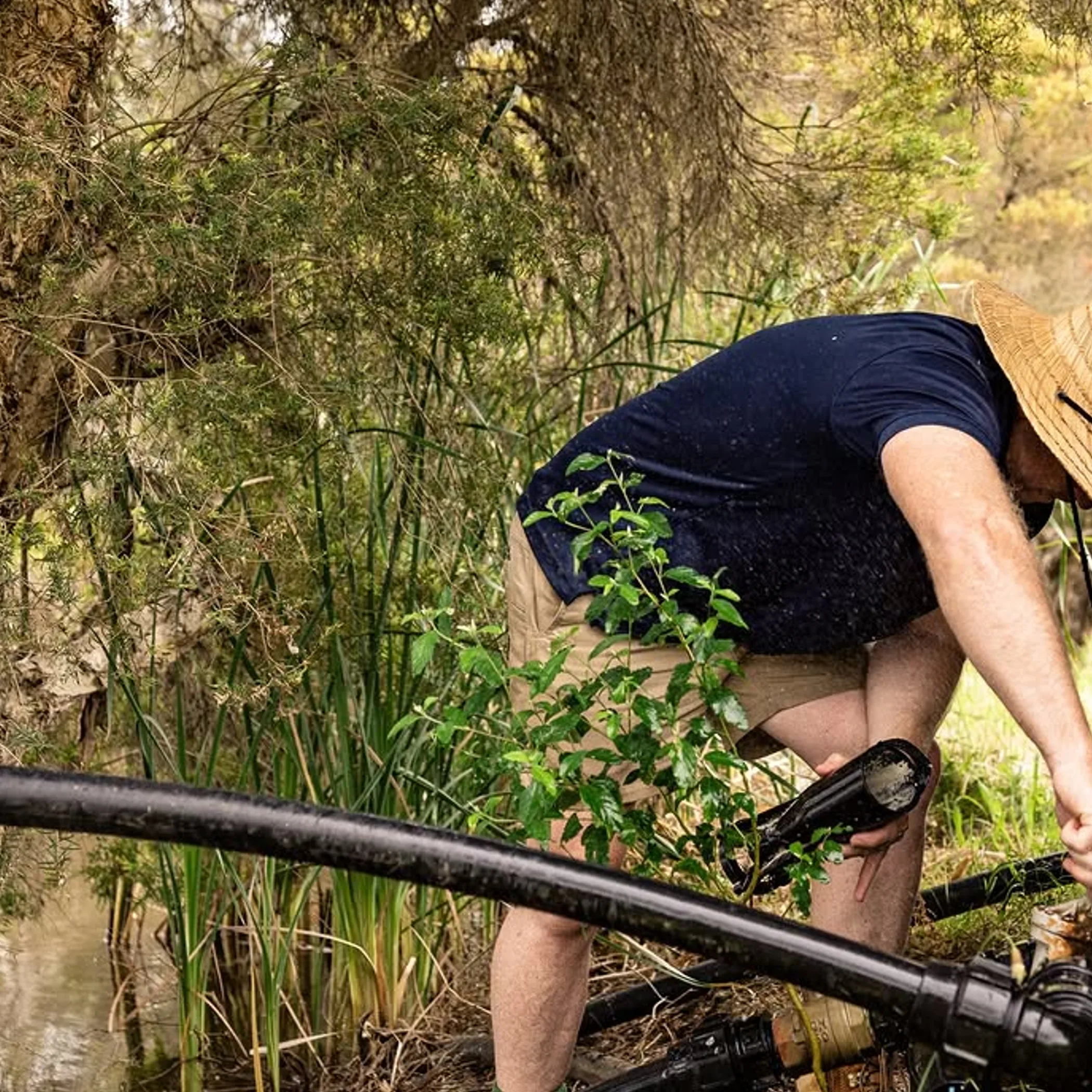
If you are to be wine touring in Australia in 2026, autumn is hard to beat. Or winter for a quiet session, summer for the long outdoor lunch, spring for a mild drive. You want an itinerary that is safe, allows for the weather and a wrong turn now and then and is in keeping with how you like to travel.