Sustainable Winegrowing Australia Guide
Producing grapes and wine in a way that is good for the environment and the people involved is what Sustainable Winegrowing Australia is all about. One will find it is more than a green label or an assurance of a flawless bottle; it is a matter of practical responsibility at the winery and in the vineyard for the sake of the workers, the community and the harvests to come.
There are those in the Barossa or sustainable McLaren Vale region who would tell you as much. As a travel and tourism writer in Adelaide I have made it my business to see how growers and winemakers are dealing with climate change, less water to go around, higher energy bills and the demands of their customers. The best way to get to grips with sustainability is to put aside the sort of talk one hears in a well-appointed tasting room and see for oneself what is being done on the ground.
The Meaning of Sustainability
It is a balancing act between environmental care, supporting your people and running a viable concern. You do not have a sustainable operation if the vineyard is conserving water but cannot put a wage in front of its staff any more than a winery can be called so if it is putting in trees yet squanders energy.
The term is applied to the whole process, grape to bottle. It encompasses what goes on in the vineyard and winery, transport and packaging, the conditions of employment and the resilience to farm through a hard season.
Priorities in the Field
On the environmental side there is the work of maintaining soil and biodiversity, using chemicals and energy responsibly and making efficient use of water. Socially it means fair treatment and safety for workers, training and good relations with neighbours.
Then there is the question of business. Drought, frost, smoke and pests are realities for a vineyard, as are the vagaries of grape prices. Consequently sustainable viticulture in Australia is not a one size fits all affair. In a dry inland region irrigation efficiency will be of prime importance, whereas a cooler clime might be more concerned with managing the soil and frost.
Do not be taken in by the notion that a responsible vineyard has to present a certain picture. It need not be perfectly manicured or devoid of weeds. The point is whether the grower is measuring his impact and mitigating risk.
Trust and Certification
For vineyards and wineries wishing to put their sustainability to the test, the national framework of Sustainable Winegrowing Australia is available. While it does not signify that every environmental issue has been laid to rest, certification is a better indicator for the customer than some “eco-friendly” verbiage.
The programme is based on independent assessment and performance requirements of documented practices, be they in the area of waste, water, people or business management. Records are called for since an auditor will have trouble with good intentions in the same way he would a diet that is only ever observed on a Monday morning.
Not to be confused with marketing
A trust mark from the programme is useful in singling out a certified product but it is not to be equated with claims of organic or biodynamic status, carbon neutrality or vegan suitability, which have their own standards.
And certification is for the operation under review; a company having a certified vineyard is no guarantee the wine in hand is from it. Where such detail is of interest, consult the producer’s information.
As things stand, one should refer to what is published by the producer or Sustainable Winegrowing Australia for the latest on rules and logos. Schemes have a way of changing and the old vintage may not have the same credentials as the current release.
Improvements on the Ground
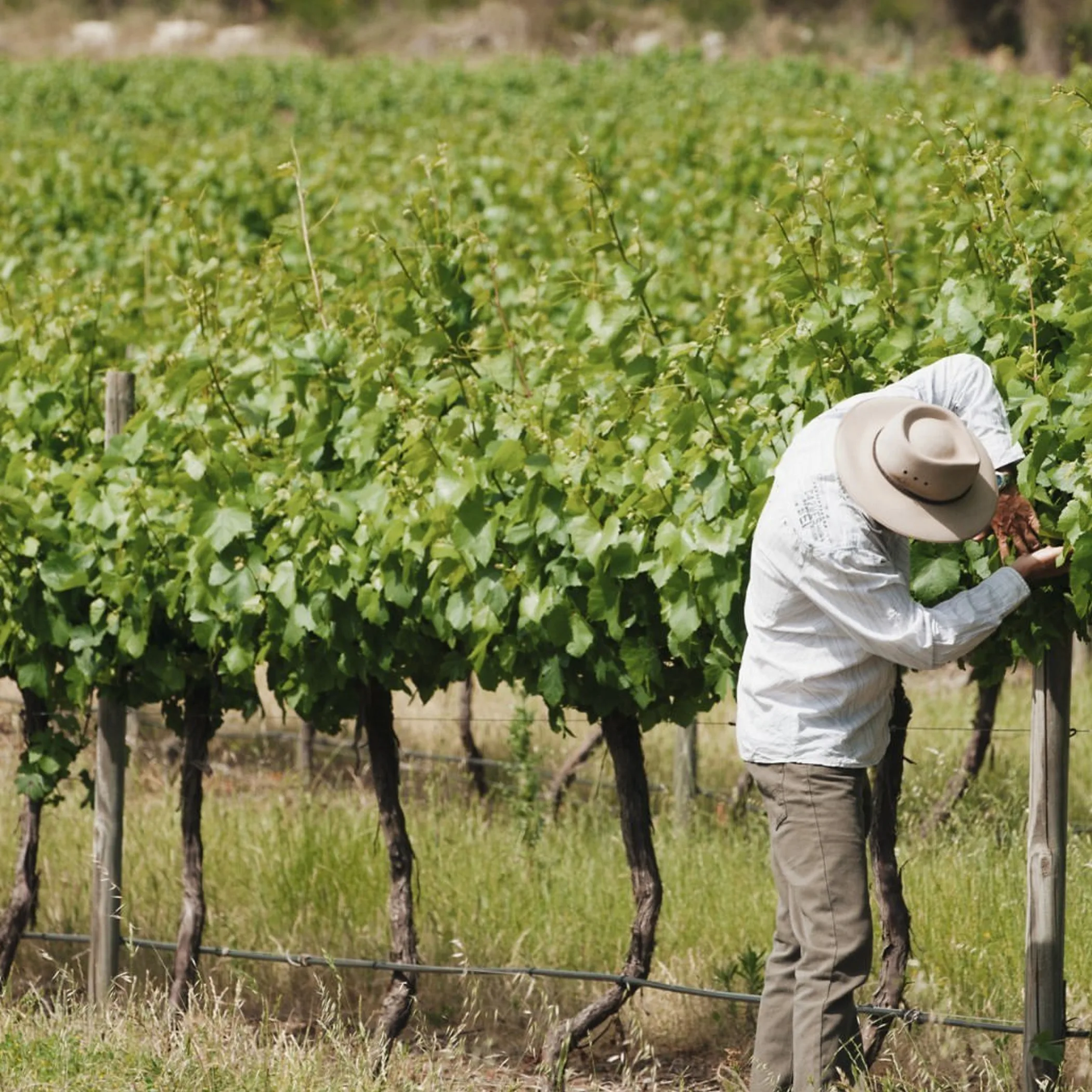
You will not often find a showy project at the most commendable Australian sustainable vineyards; they tend to be the result of a number of unglamorous actions. A working farm is a place where a practice with good intent can cause trouble if it is at odds with the slope, the labour or the local rainfall. So the work is largely a matter of tending to the machinery, mowing when you should, putting down records of spray applications and fixing the odd leak in the irrigation.
Some of the practices employed are quite straightforward:
- Support the soil with compost, mulch, cover crops and less cultivation, and do some testing.
- Rely on weather and moisture data and check your equipment to monitor irrigation.
- Put in native vegetation to put up wildlife corridors and protect the insects.
- Have proper records of fuel, water, waste and chemical and fertiliser use.
- Make sure your staff are trained in emergency procedures and in the safe handling of heat and chemicals.
Regenerative land management is something of an approach for some, but the word is no blanket promise. Make of the grower what he is doing. In some quarters “regenerative” will be taken to mean cover cropping and less tillage; a different producer might put in grazing stock, plant for habitat, apply compost and do some long-range soil monitoring.
Timing is the key to sustainability, something that can come as a revelation to those visiting. It is easy to leave cover crops in too long and have them vie with vines for water, or to clear every plant from under the vines and lay the soil open to the elements and heat. What is called for will vary from season to season and from one block to the next, according to the forecast.
Water And Energy
For an Australian winegrower there is no more pressing matter of sustainability than the efficient use of water. Irrigation need not be profligate but to do it without measuring is a sure way to part with water and money and see the vine’s performance suffer. The same applies to energy at the winery. An operation’s footprint is made up of everything from transport and lighting to the pumps, refrigeration and bottling. While renewable electricity has its place, curbing demand is generally the first sensible step.
Where To Make Savings
Irrigation scheduling, soil moisture checks and pressure tests on a good drip system are how a vineyard puts a stop to water loss. At the winery one will find teams turning to insulated tanks, solar, heat recovery and the like, as well as being economical with cleaning water.
Then there is packaging. Put the glass, carton and what goes into transport together and a 750 mL bottle is only part of the weight. There is merit in lighter bottles and recycled materials or other formats to ease the burden on transport, though the choice is dictated by the market, shelf life and recycling facilities available for the wine in question.
Climate change has put a damper on predictability in planning. A national average is of no use to a vineyard in knowing when the next hot wind is coming, so growers make their own records and refer to the Bureau of Meteorology for official observations.
Soil And Biodiversity
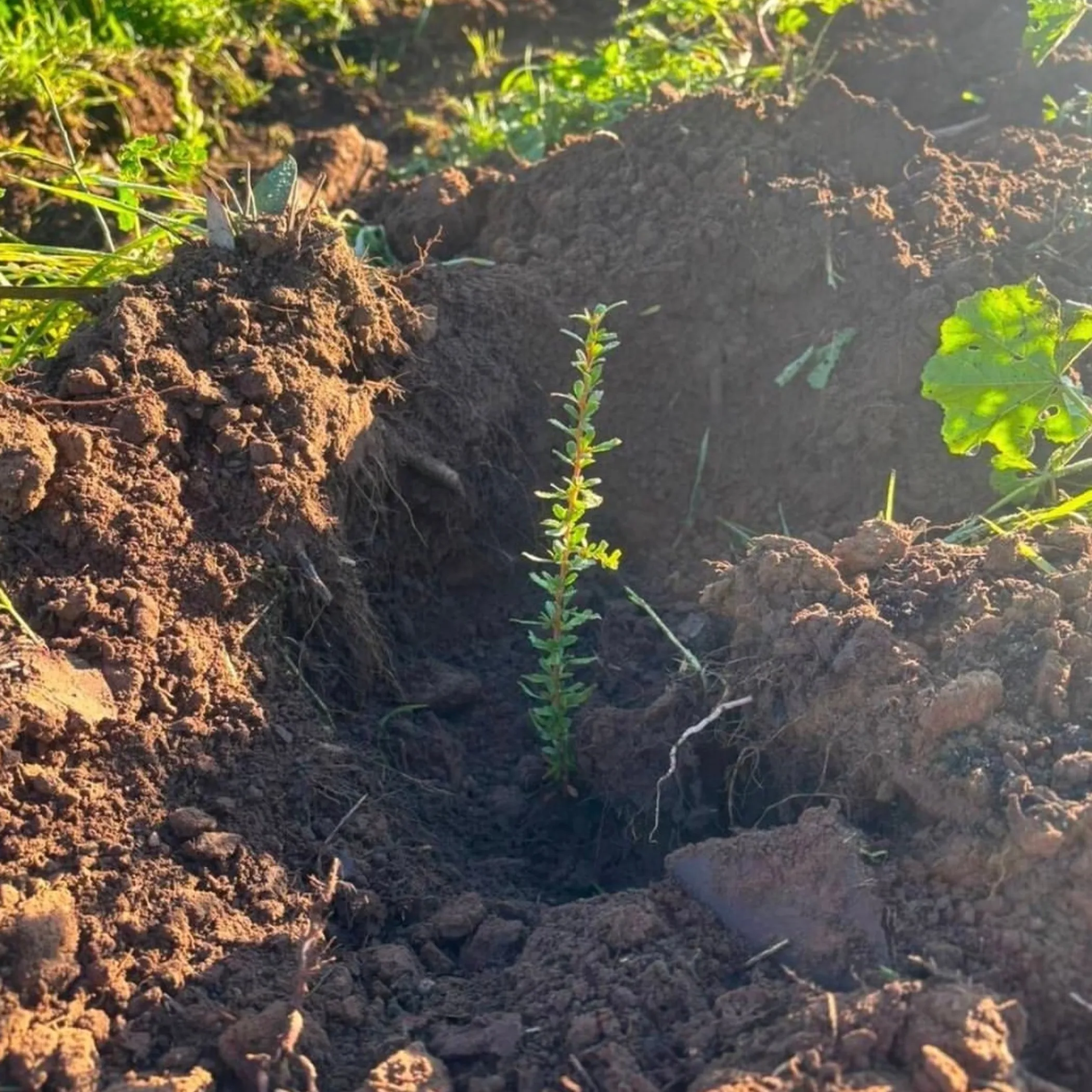
A healthy soil is resilient in dry times and good for infiltration and the vine. But it is no magic sponge and untested additions of compost can cause trouble with nutrients; you have to know what you are dealing with.
Biodiversity is of use to any farm, whether in the form of livestock, birds, reptiles, insects or shelterbelts. It also makes for a better visit. There is all the difference in the world between a bare paddock and a vineyard with living ground cover and some shade and the odd bird.
Things You Will See
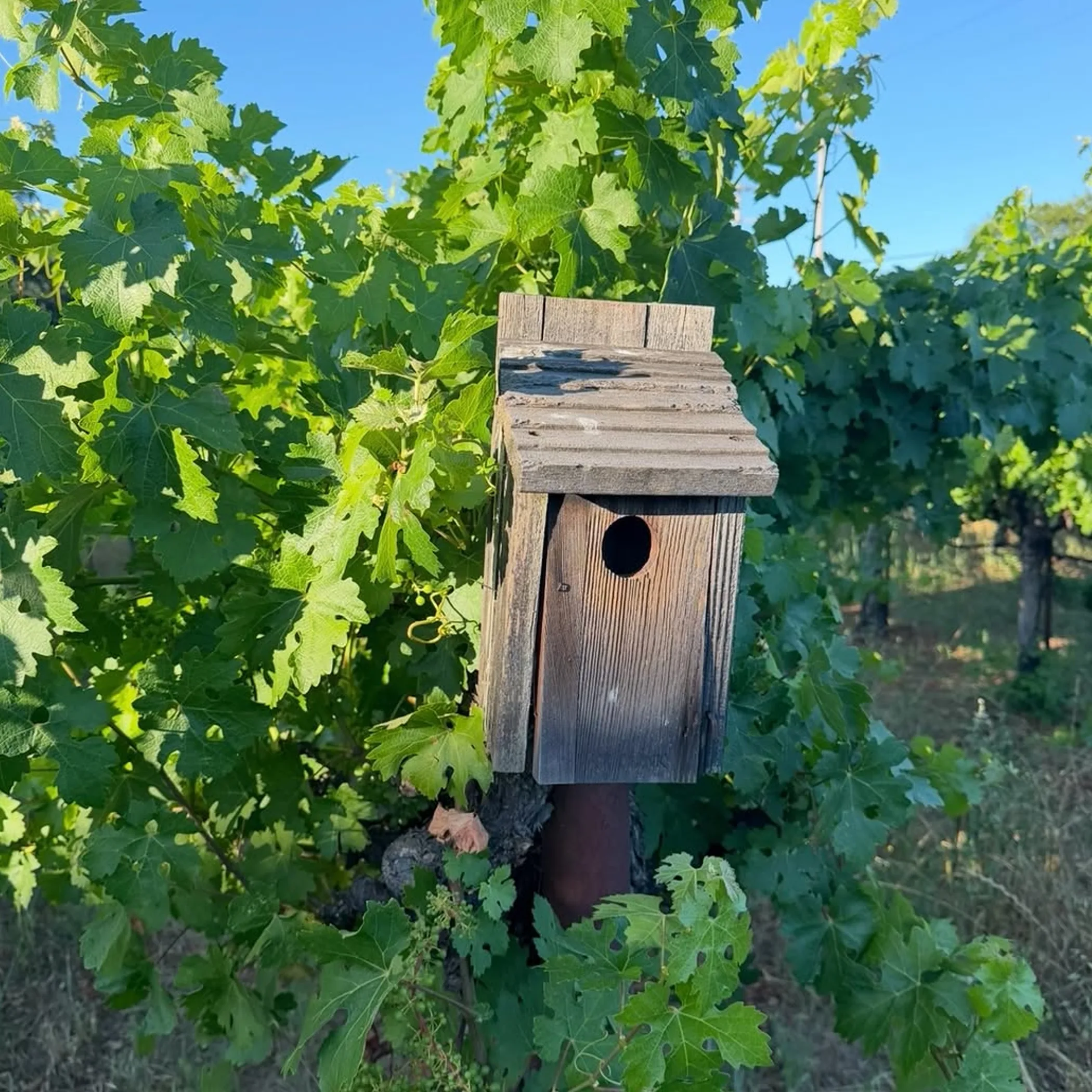
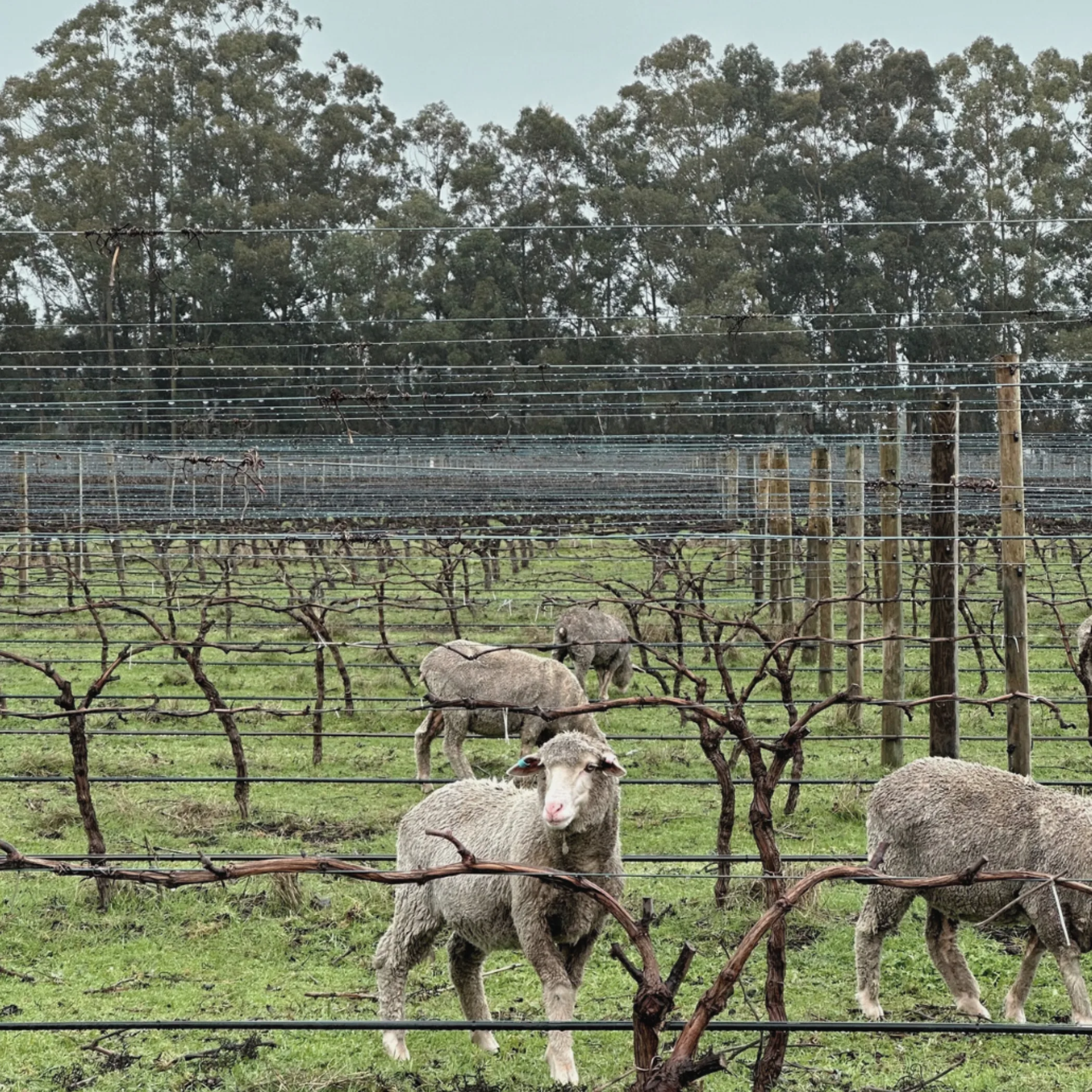
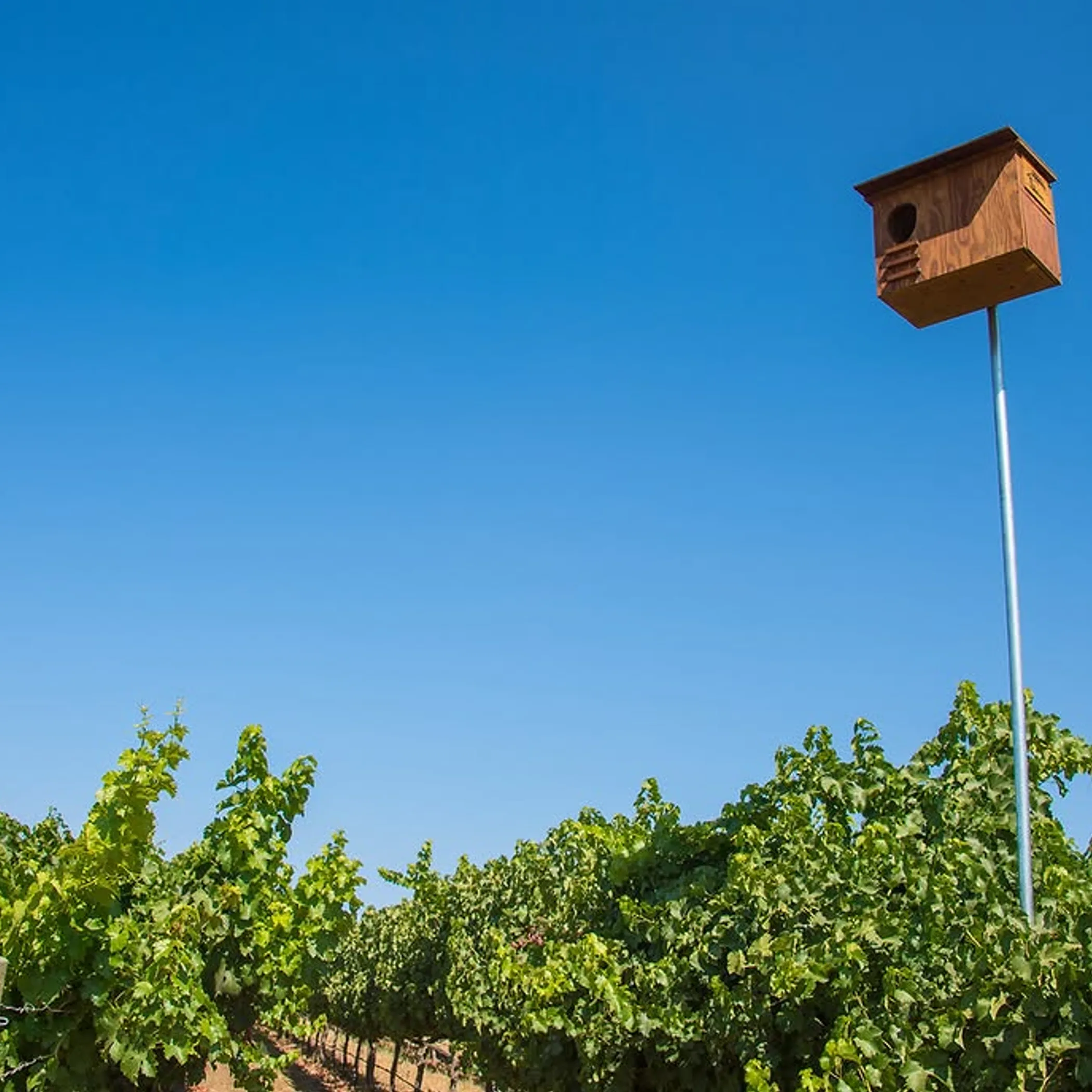
Native plantings at the edge of the vineyard, owl boxes, compost and sheep in the rows are to be expected, as is some weed. Not to be mistaken for neglect: a grower may let certain plants stand for the sake of erosion control or habitat before putting them in their place so they do not encroach on the vines.
Do not be under the impression that biodiversity precludes intervention. These are agricultural systems after all. Mowing, machinery and pest control are part of sustainable management, provided they are done in proportion and are properly recorded.
McLaren Vale And Barossa
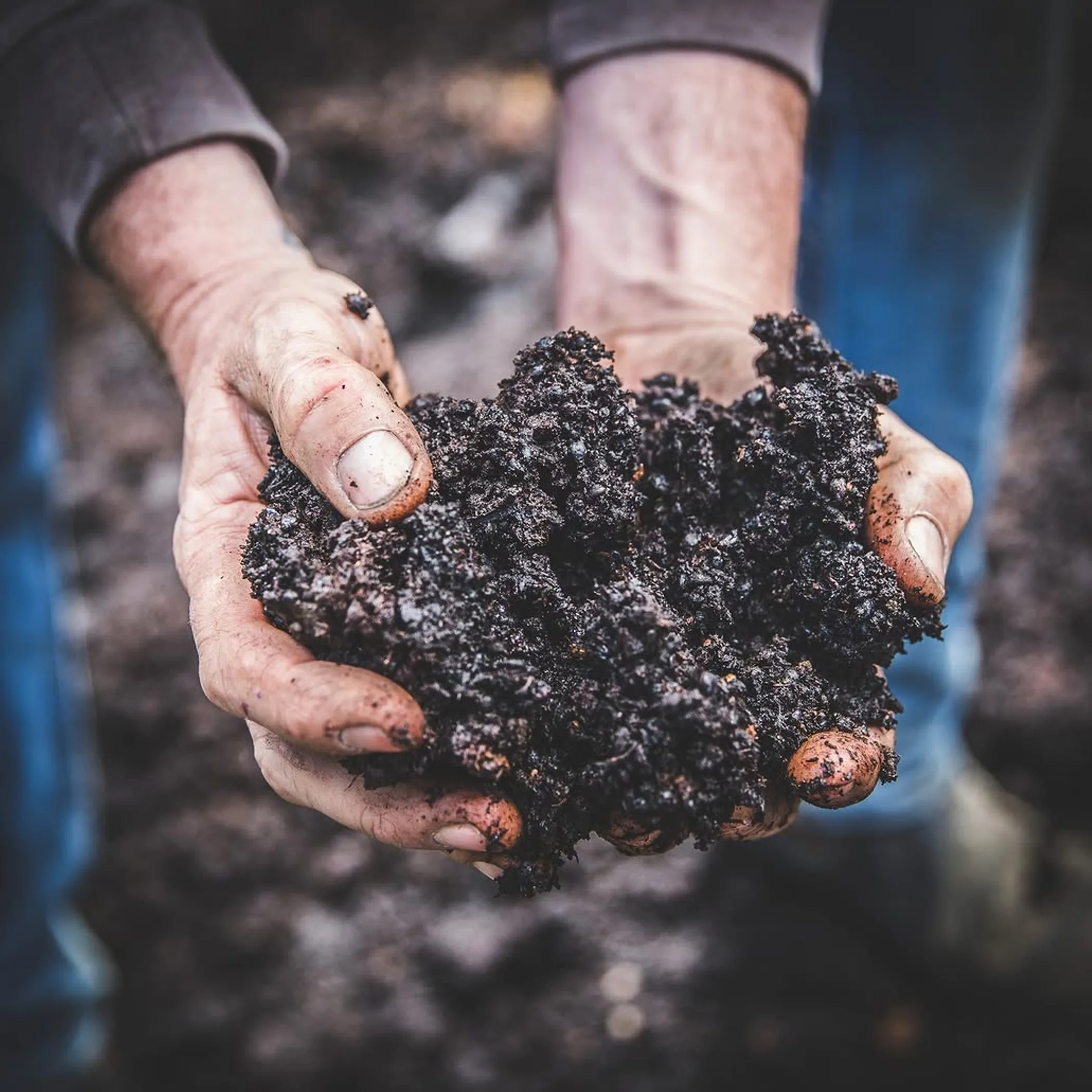
You would be hard pressed to judge the sustainability of an Australian wine region against a single national checklist. The Barossa and McLaren Vale are familiar enough South Australian haunts but they have their own topography, soils, rainfall, coastal exposure and vintage of vineyards to set them apart.
In McLaren Vale the mix of elevations and closeness to the coast lends itself to a conversation on water and soil and the like. The region is not a monolith of farming practice but an assemblage of producers making their own practical calls.
Making The Most Of Your Visit
Rather than put in for six tastings in a day, settle on two cellar doors and a proper meal. Between driving and parking and the questions and eating, it will take longer than the map would have you think. When alcohol is in the equation a taxi or private transfer is the sensible course.
In McLaren Vale do not assume the cellar door will have you if you just walk in; book ahead and see what access is like. In summer a vineyard walk can be trying, in winter the rain will make unsealed roads rough. Have your return transport in order and put on shoes for walking.
The Barossa is best at a leisurely pace. Book in early for a weekend or during harvest. If a long lunch is on the cards and you do not want to be in a hurry, an overnight is worth it.
| Visit style | Realistic plan | What to check |
|---|---|---|
| One-day self-drive | Two cellar doors, a direct route back and lunch | Road conditions, parking, opening hours and a designated driver |
| One-day guided tour | Operator provides transport for a number of stops | Terms for cancellation, accessibility, group size and whether a meal is included |
| An overnight in the region | More of the local fare and a couple of days with less by way of tastings | Where you put up, evening transport and what is needed to book |
| A sustainability visit on your own | The chance to put some detailed questions to one producer | Find out on certification, vineyard access and if the grower can be had |
I have been guilty of an error in my itinerary planning, to think of a regional map as one would a suburb. One should not. There are distances to cover and roads that wind, meal reservations to make and a protracted talk with a producer; all of it adds up. A good visit is not like a road train in its day’s packing, it has room for the unforeseen.
On the matter of selecting a sustainable bottle
You will want to see some evidence after consulting the label. While a mark of certified sustainability has its uses, being a responsible buyer means also considering the packaging, how it was transported, the vintage, the producer’s openness and if the wine is right for you.
Do not be taken in by a natural appearance on the label and think the wine is sustainable, nor write off a large producer for not making responsible headway. Wineries of any size face their own set of challenges and resources. Put forward a clear question rather than give in to the label with the most leaves on it.
A checklist for buying
- Some current certification or a plain statement of the producer’s methods should be there.
- See if the claim is made for the company at large or just the product, winery or vineyard.
- When you buy direct, inquire into biodiversity, soil management, water and renewable energy use.
- With a vegan wine you must get confirmation on the fining process; the two issues are distinct.
- And do not put money down on a wine of supposed responsibility only to let it go undrunk.
Take Chandon Australia for instance, a name that might surface when winery sustainability is discussed. But do not hold up any one Australian winery as proof of a standard they all adhere to. Be specific in your actions and compare the facts.
For whom this guide is intended
Practical questions, not fine sounding slogans, are what the curious drinker, the wine shopper, hospitality staff and traveller will find here. It will be of use in the run up to a cellar door in the Barossa or McLaren Vale to get a handle on sustainability.
Not so much for those wanting a definitive list of the “greenest” producers. Public information does not always allow for comparison and the metrics vary. One may be exemplary on water efficiency yet still have work to do on the energy front.
What you expect and what is
You might expect a sustainable vineyard to be lush and free of chemicals. In Australia the reality is often dry ground, some machinery, controlled inputs and hard trade-offs.
That a product is perfect because of its certification? The reality is the operation has simply passed an assessment and fits a framework. It is a signal of sorts, no moral scorecard.
To “do” a wine region in a day? That is enough for an introduction, but the more you put in, the less you will take in. There is no call for a sprint in the tasting room.
FAQ
The following are short answers to the sort of things people put forward in the lead up to a purchase or a trip to the regions, to put some established ideas apart from assumptions that have a ring to them but do not stand up to scrutiny.
Major wine growing regions in Australia?
Barossa, Hunter Valley, Clare Valley, Adelaide Hills, Yarra Valley, Margaret River, Tasmania and others are among them. With differences in everything from climate and water to the varieties and farming conditions, there is no single recipe for sustainable winegrowing across the country.
The best vegan red in Australia?
There is none that is best for all. They eschew animal products in the fining agents but that is separate from environmental performance or certification. Go by taste, variety and vintage after you have read up on the producer.
How do you define a sustainable wine?
One whose producer has kept tabs on the business, social and environmental impacts. You should be able to point to reporting that is transparent and to healthy soils, efficient use of water and energy and worker safety. Do not conflate the terms organic, natural, vegan and sustainable.
Oldest vineyard?
It depends on the definition employed by the regional authority or producer, be it the oldest site to be planted, or vines still in production. Some claims are made in several regions for very old vines, so be cautious.
Is there a premium for sustainable wine?
Sometimes. The cost of doing things properly, be it in packaging, employment or the monitoring and certification required, is an upfront expense. Then again price is a function of land, demand, scale and labour. A high price is no sure thing of sustainability any more than a low one is of its absence.
In the end, make the bottle count
Here in Australia the most effective sustainable winemaking is ordinary and local: better habitat, less waste, sound energy practices. For the visitor the answer is to slow your pace, have a word with the producer and arrange your transport accordingly.
You will not find a flawless bottle or a model vineyard. Support the grape growers and winemakers who are open about what they do, know what the mark of certification is telling you and ask the right questions. In that way environmental responsibility is woven into the culture of wine and is not merely an adornment on the label.