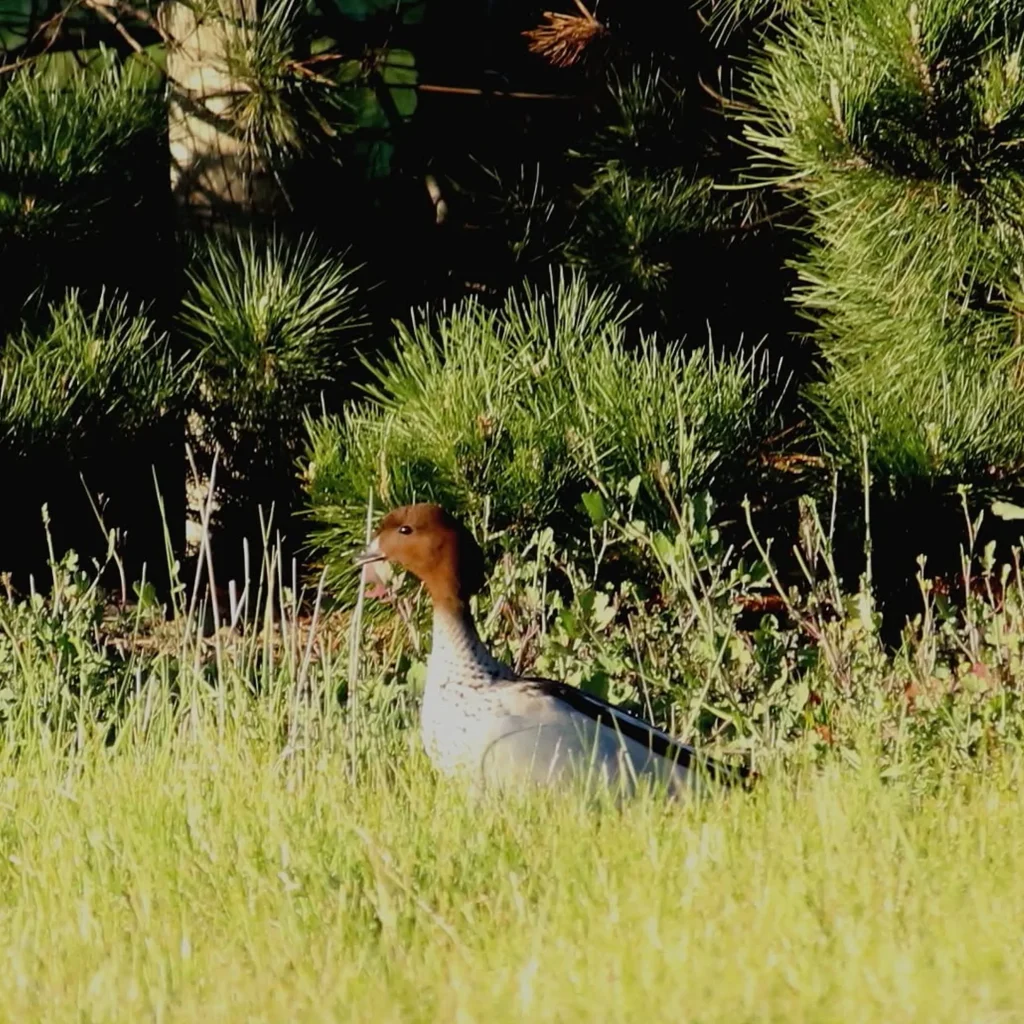
Here is how to spot the koalas, kangaroos, wallabies, wombats, lyrebirds, emus, echidnas, seals and penguins that are to be found in the state. Spring and autumn are generally the most conducive times for an early start given the mild weather, yet any season will do if you pair the right species with the right park.
I am Carys Lindley. A wildlife excursion should have a sensible parking arrangement and walking times that are not over-ambitious, as well as time for a flat white when done. In Victoria one is repaid for being patient. You might put five kangaroos to your left of the road before you have had breakfast and then devote an hour to a branch because a koala is in it, putting on airs of a furry magistrate and not taking any questions.
Wildlife Seasons At A Glance

From the cool mountain forests and bushland to wetlands and offshore islands, the habitats in Victoria are diverse. But what is the best time to go? It is a matter of how much walking you can put in and the animal in question, since the season will dictate daylight, track conditions, fire risk and so forth.
Do not leave without consulting the visitor information and park alerts from Parks Victoria for up to date access details. One never knows when a closure or some form of wildlife protection will be put in place.
| Season | Best Wildlife Prospects | The Conditions | Best For |
|---|---|---|---|
| Summer | Penguins, Australian fur seals, kangaroos and koalas | Expect long days and the heat, not to mention crowds and the odd park closure | Good for a short dawn walk or to be on the coast |
| Autumn | Woodland birds, lyrebirds, wallabies and wombats | Mornings are cooler and walking is more of a pleasure | We would recommend it for the family and longer bush tracks |
| Winter | Southern right whales, possums, kangaroos and wombats | The coastal weather is cold and days are short | The parks are quiet and ideal for whale watching |
| Spring | A host of birds, emus, lyrebirds, echidnas and koalas | There is fresh growth about and weekends can be busy | Active wildlife and birdwatching are to be had |
Take this as a guide for your planning, nothing more. A national park is no zoo with better marketing and the weather is what it is. To give yourself the best odds, pick the habitat and be still at dusk or dawn. For more ideas, see tranquil wildlife observation spots.
Native Animals: Where to Go
You will not find one national park to suit all. Wilsons Promontory is the all-round answer for its accessible wildlife and varied terrain; Great Otway is for the forest dweller, Tower Hill Wildlife Reserve makes for a good short trip and Phillip Island is where the penguin enthusiast will want to be.
Before you book, look at a map of the national parks in Victoria to see the driving involved. On paper the state is compact enough but a coastal road with its rain and slow traffic will make a day of what appears a short distance.
Wilsons Promontory
Known to most as “the Prom”, the national park has its share of emus, kangaroos, wallabies and coastal birds. Tidal River is the place to put down roots for a while with its camping and facilities.
Get in before the sun comes up for a chance at the open ground for kangaroos and wombats. The roads in the main zone are sealed but do not expect warning from the wildlife. Ease off the accelerator at dawn or dusk and put in some extra time; there is no need to rush the Prom.
The Otway Coast and Forest
Wet forest, heath and a rugged coast are what you get at Great Otway. Kennett River and Cape Otway are the usual haunts for koalas though you cannot count on it and any stop by the side of the road has to be above board. After a rain the forest paths are apt to be slippery and you may have trouble with your ankles and the mud, so wear shoes with some grip and do not be in a hurry to beat the signposted time.
Grampians and Tower Hill
In the Grampians around Halls Gap you can put in some time for woodland birds and the like. The grassed areas near Halls Gap are good at first light and the edges of the forest are worth a slow look.
Those who do not wish to head out for an overnight in the country will find Tower Hill Wildlife Reserve off the Great Ocean Road a convenient option. Emus and koalas put in an appearance in the volcanic country but take care on the roads, particularly in high fire danger or after the rain.
Islands and Lakes
For the coastal wildlife and penguins one goes to Phillip Island (Millowl in Bunurong). Put in a booking for the more sought after experiences and be prepared for crowds when it is at its busiest; viewing rules are to be observed. With penguin viewing put on a timetable of natural behaviour, one can find the trip back late and cold come summer.
For wetlands, coastal forest and a more undisturbed wildlife habitat there is East Gippsland and the Gippsland Lakes. The Mornington Peninsula is a sound option for an excursion to spot seals or birds and some short walks along the coast, if you accept that marine wildlife is at the mercy of the sea and the operator’s chosen course.
Tips for Summer Wildlife Viewing

The days are long in summer but the heat will alter animal habits. You will not see kangaroos and wallabies in the open grass at the height of the day, they have made off, and koalas put themselves out of sight up in the trees.
Have your first walk in before breakfast and save the middle of the day for lunch, driving or something in the shade. Put on sunscreen, see what the fire conditions are and take more water than seems necessary. A clear sky is no reason to venture on to a closed track.
Summer on the Coast
Phillip Island and the other coastal parks, including the Mornington Peninsula, are well worth a visit in summer, provided you have no qualms about an after dark return. Make sure to have warm layers for the penguins even if the afternoon has been mild; the wind from Bass Strait has a way of dispelling any optimism.
Camping in Victoria’s national parks is in demand over the school holidays. Book ahead where you must and make certain your campsite is amenable to vehicles, tents, dogs or generators. Do not presume your normal beach rules are in order in conservation areas, dogs are not welcome in many.
Autumn Wildlife Viewing Tips

Victoria has few better seasons for a general park outing than autumn. Mornings are cooler and thus longer walks are a pleasure, the vegetation is easy enough to get through and you will find wildlife in the open clearings and at the edge of the forest.
The Grampians, Otways and Wilsons Promontory are all suited to an autumn visit. Later in the season the daylight is shorter so factor that in, particularly with narrow roads or parts of the route prone to wildlife.
Quiet Roads and Longer Walks
If a roadside glimpse is not enough, autumn is the time for it. Set aside a moderate walk with some stops and be back before dark. One might allow two or three hours for the track and a decent lunch and in the slower bits leave the binoculars up instead of just marching by.
A common error is to pack only for the afternoon. In the exposed parks temperatures have a habit of turning and a dry morning means nothing as far as the track is concerned. Take a light waterproof, in the Grampians and Otways in particular.
Winter Wildlife Viewing Tips
Those with hardy fingers are rewarded in winter. Daylight makes for easier viewing of wombats, kangaroos tend to the open and from the right coastal vantage point one can watch southern right whales on their seasonal run.
Time management is called for on short days. An icy morning may mean a later start but do not put off long walks till mid-afternoon. Wet tracks are apt to be muddy and slow, so be generous with your return window.
Wet Forests and Whales
You need luck, good visibility and little swell to see whales from the land. Binoculars are a must and dress for the wind, keep away from the cliffs. A boat tour might put you closer but operators will not risk unsafe conditions and will cancel or alter their route.
Travellers with the patience to be quiet will find lyrebirds and other birds in the forests this time of year. It is best to hold your voice and listen before you look; a rustle is often how a sighting commences rather than anything more showy.
Spring Wildlife Viewing Tips

With spring comes fresh growth and more activity from the natives as the days lengthen. Birds are harder to miss with all the noise and movement and echidnas might be found foraging by the bush or on the track.
But the weather is fickle. Have rain gear to hand and check on any roads or bridges that storms may have seen to. On a weekend the popular parks are full, so try to be there early or go midweek.
Young Animals and Birds
Birdwatchers will appreciate spring but nesting sites are to be given due respect. No handling of wildlife and stay on the path. There is more to be had from a quiet vantage than a photograph taken at close quarters that is stressful to the animal.
As for koalas, the leaves and the light and their height conspire to make them elusive. An experienced guide or ranger talk will help but you should not expect an ethical one to put his name to a guaranteed sighting.
Best Times To See Wildlife

In Victoria the hours around dawn and dusk are when you will be most successful at spotting wildlife, given that a good many animals put in an appearance in the lower light and cooler temperatures. There is a certain quiet to the morning; by dusk one is more likely to see activity on the roadside as creatures make their way out of cover.
It is better to make wildlife the focus of the day instead of something to fit in between other attractions. Put in an early arrival and turn the music off, then give your eyes a chance to acclimatising while you do some slow scanning. You can have binoculars but in the end patience is what you need.
One-Day Priority Plan
With only a day to spare, pick a park that is not an arduous drive and zero in on a single habitat. Tower Hill Wildlife Reserve or the open country near Halls Gap are fine for unobtrusive viewing. Should penguins be on the agenda, let Phillip Island be the main event and forego any number of extraneous stops.
You would be well advised not to attempt to put the Great Otway, Phillip Island and Wilsons Promontory into one day’s itinerary. It ceases to be a wildlife adventure and becomes a protracted dispute with the steering wheel.
Viewing Safely And Responsibly
To keep both visitor and animal safe one must be responsible. Do not call an animal to the track or feed it, much less touch or chase it. Feeding has a way of making animals aggressive and altering their natural ways.
- Make use of a telephoto lens and stay well back, never impede a track.
- A slow approach is in order when driving in the vicinity of wildlife at first or last light.
- Before setting out have a look at road and weather conditions, tides, fire danger and any park closures.
- Have water, provisions, a first aid kit and warm clothes to hand and a phone with charge, though reception cannot be counted on.
- On longer walks inform someone when you expect to be back and stick to the marked paths.
Personal safety is part of wildlife safety too. One does not want to find oneself in trouble on a remote track or from a sudden wave on a slippery rock. Give seals and nesting birds a wide berth and hearken to Parks Victoria staff and those with authorisation.
What To Expect
At Kennett River the expectation might be an immediate koala sighting. The reality is the koala could be sleeping in a fork out of reach and you have to go through several trees. Or you may think a camping trip to a national park is a done deal once the site is booked, but you still have to make provision for wet weather, fuel, a torch and so on.
Such excursions are for the traveller with a flexible plan who has no objection to a moderate walk and taking things in. They are not for those who require a tightly run schedule or assurances of a sighting.
Frequently Asked Questions

Where to see wildlife in Victoria?
That is a matter of species. For an all-round experience of emus, kangaroos and wombats Wilsons Promontory is hard to beat; for koalas there is Kennett River and the Great Otway National Park; Phillip Island for penguins; and for a brief stop Tower Hill is convenient.
Which is the best national park?
Wilsons Promontory is a very good general option as it has the facilities and a variety of species and habitats to offer in a single visit, though it is not the answer for everyone. Go to the Grampians for open country or the Otways if forest wildlife is what you are after.
Are Aboriginal people exempt from national park fees?
Not in every instance across Victoria. One should not suppose that an entry arrangement extends to a tour, parking or cultural sites. See the access conditions and fee notice for the particular park in question.
Is there an official “best” park in the state?
No such ranking exists. Wilsons Promontory is widely regarded as one of the top destinations for wildlife but whether it is the best will come down to where you are going and how far you want to put in on foot. For a short visit a coastal reserve or Tower Hill may be preferable.
Is camping a necessity?
By no means. You can make of Phillip Island, the Mornington Peninsula or parts of Halls Gap a day trip. Camping affords you more of the productive hours of the day but entails planning for bookings, fuel and the like.
A Quieter Way To Do It

The guide to seeing Victoria’s wildlife is straightforward: get to the right habitat at the right time of day and be prepared for the wildlife to dictate the timetable. Winter is good for a quiet outing or to watch whales and wombats, spring and autumn are fine in every respect and in summer one has to factor in the heat and the crowds.
Do not rush. Let the park have its way and hold your distance. The finest sight is not necessarily the nearest, but the one you come across because you have made the effort to put the hurry aside.