What makes permanent makeup fade in Australia is a matter of ultraviolet radiation, the heat and humidity, one’s skin type and day to day habits, as well as how much swimming and sweating is involved. The work is not going to remain as it was put in; over time the colour will break down, the edges soften and pigment density wane, leaving a cast that can be warmer or greyer.
Then there is the question of what actually causes fading and how to ensure permanent eyeliner, lip blush or eyebrows stay in good order for as long as possible. Carys Lindley examines these things and where people tend to go wrong. In Brisbane the combination of heat and humidity is an added complication; sweat from being out and about or a swim in the ocean can impede healing and the holding of pigment. The strong sun here will hasten the fading of any cosmetic tattoo if the skin is regularly exposed to it.
A Change in Pigment Under Australian Conditions
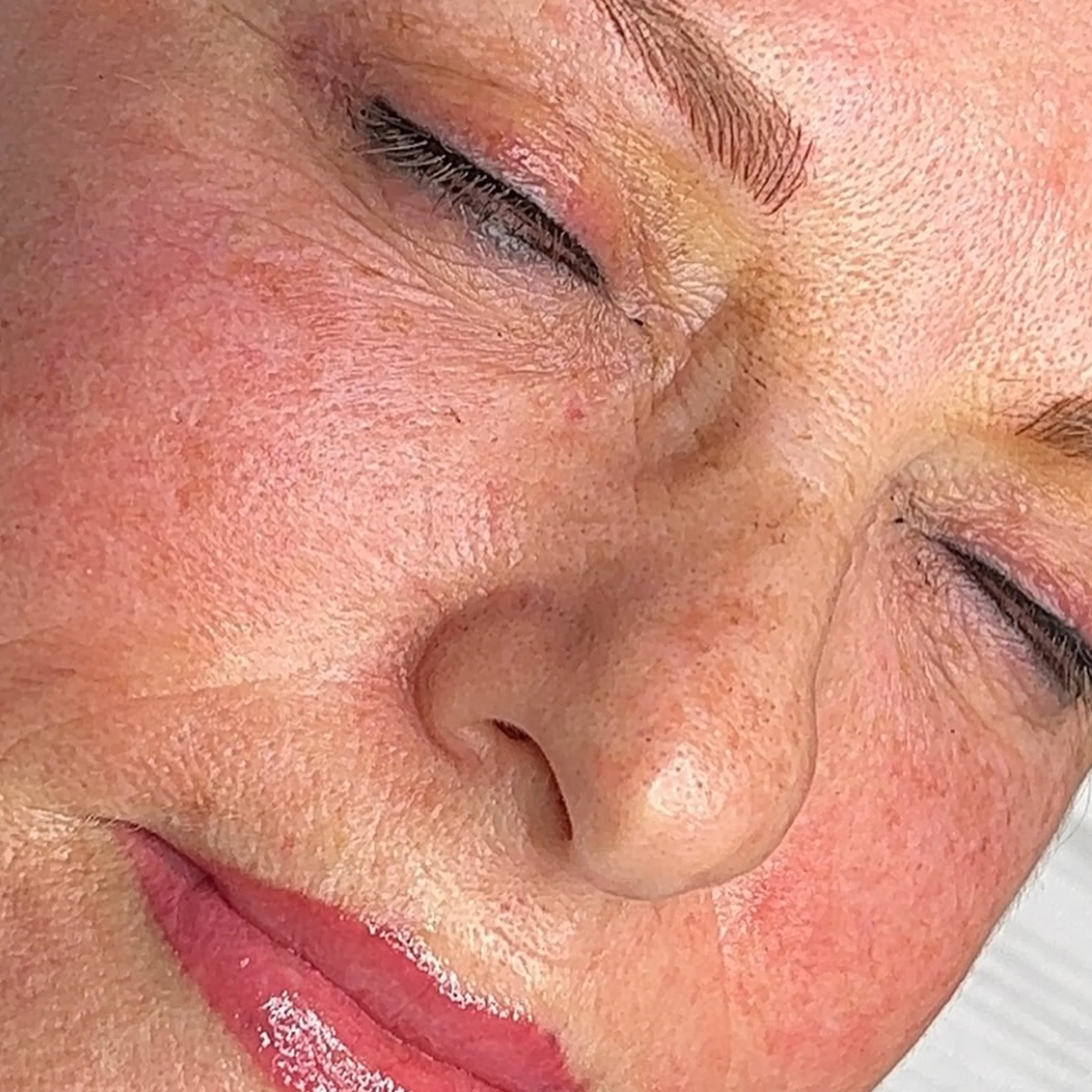
Pigment is put into the skin with permanent makeup but no sealed layer is formed to last indefinitely. The body works on the pigment and between sun exposure, friction and the normal turnover of skin cells the look of it is slowly changed. This explains the effects of skin on PMU colour.
That is more apparent in the Australian climate. An afternoon in Brisbane is not like a cool winter in Adelaide, nor is a trip down the Stuart Highway with the windscreen letting in the sun or some time at a Queensland beach.
Healing and the Onset of Fading
It is common for new cosmetic tattooing to have a darker, sharper quality before it has settled. As the skin heals it will shed some of the pigment in flakes, and the colour might seem overly light for a while. Practitioners will have you put aside 7 to 14 days for the surface to heal, after which it is a few weeks more for the true colour to come through. These are rough guidelines rather than anything guaranteed, since technique, health, the area treated and aftercare all play a part in how healing goes.
Where People Are Mistaken
Some will put down fading to a failed treatment or an artist’s substandard pigment. While that can happen, the reason is usually something less sensational: the client has been at outdoor work and sweating for a week, put on an exfoliant before the skin was ready or got in the water too early and picked at the flaking.
Permanent makeup should not be thought of as a one-off purchase. It is a treatment requiring sensible aftercare and the odd PMU touch-up. And the Australian sun does not make it easy.
The Effect of Uv
Ultraviolet radiation and permanent makeup are not made for each other. UV rays can do damage to the skin and decompose the pigment molecules so that uneven fading and loss of colour is all the more evident. The UV index in Australia gets to extreme levels well outside of the height of summer. For official reference on sun protection and UV exposure one can consult the Bureau of Meteorology or the guidance put out by ARPANSA.
Even Short Exposures Count
You do not need a full day at the beach for this to be an issue. There is the drive west in the afternoon, gardening, sitting by the café window or putting in time at junior sport and walking the dog. All of it adds up. Eyeliner is somewhat shielded by the brow and lashes but the rest of the face is open to the elements, as are the lips and brows. A hat and sunglasses and some shade will lessen the toll on the skin.
When to Put on Sunscreen
Unless instructed otherwise by your practitioner, keep sunscreen off skin that has just been treated. In the first stages of healing adhere to what the clinic says and rely on a hat and the like for physical protection. When the skin is fully healed a broad-spectrum sunscreen is advisable to ward off further UV damage. Make sure to reapply after a swim or if you have been sweating and do not get it in the eyes. Wearing a hat in the car may be a bit much but then you will not be left to speculate as to why one brow has faded quicker than its mate.
Humidity, Water and Sweat
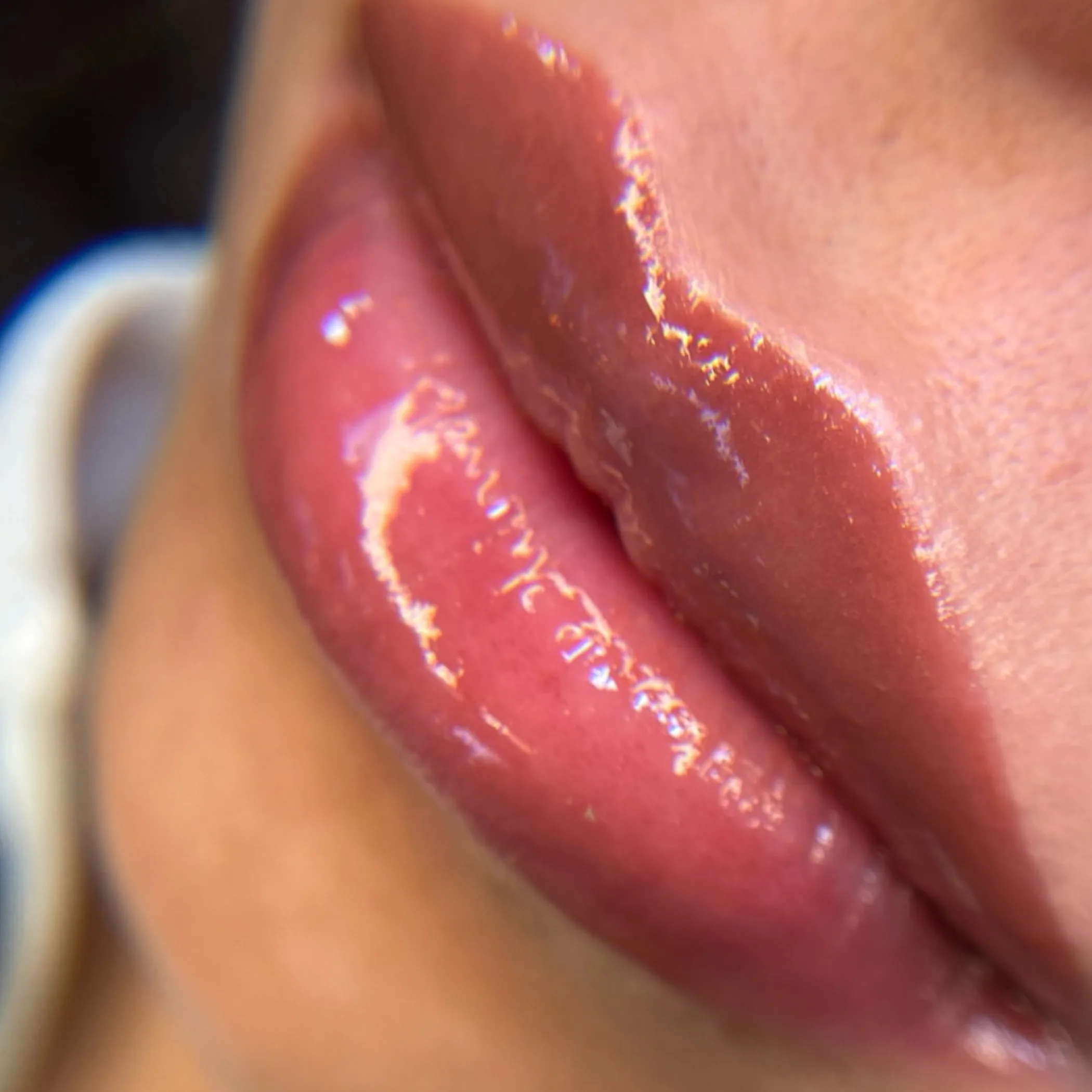
For clients in Australia, the aftercare of permanent makeup can be made difficult by the humidity and heat. If the skin is wiped or handled repeatedly, sweat can introduce bacteria and the friction softens the surface. Swimming is another matter altogether; the disinfectants in a pool or the microorganisms in a dam or river are not what you want on newly treated skin.
In Brisbane you have to plan around your week, not some idealised version of it. For those with an outdoor occupation, a rigorous training regime, a habit of cycling to work or young children to look after, one can put up with more in the way of sweat and chafing on the skin than is typical.
After a treatment it is wise to put some space between you and any long-haul flight, day at the beach or other social occasion of note. One is not precluded from flying per se but the dryness of the cabin, the dearth of cleaning facilities and the urge to put a hand to one’s face complicate matters for aftercare.
Swimming And Outdoor Exercise
You will be told by most practitioners to stay away from swimming, saunas, spas and anything that brings on a good sweat in the first stages of healing. Since there are no hard and fast rules across all clinics, adhere to what is in your written instructions and do not take your cue from someone in a Facebook group.
When a holiday is imminent and you have but a single day off, the prudent course is to put off the treatment so the area can be properly protected. An appointment for a cosmetic tattoo and then off to a hotel pool, some snorkelling and a hike in the sweat is not a sensible plan, no matter how fine the sunset.
Skin Type Affects Colour
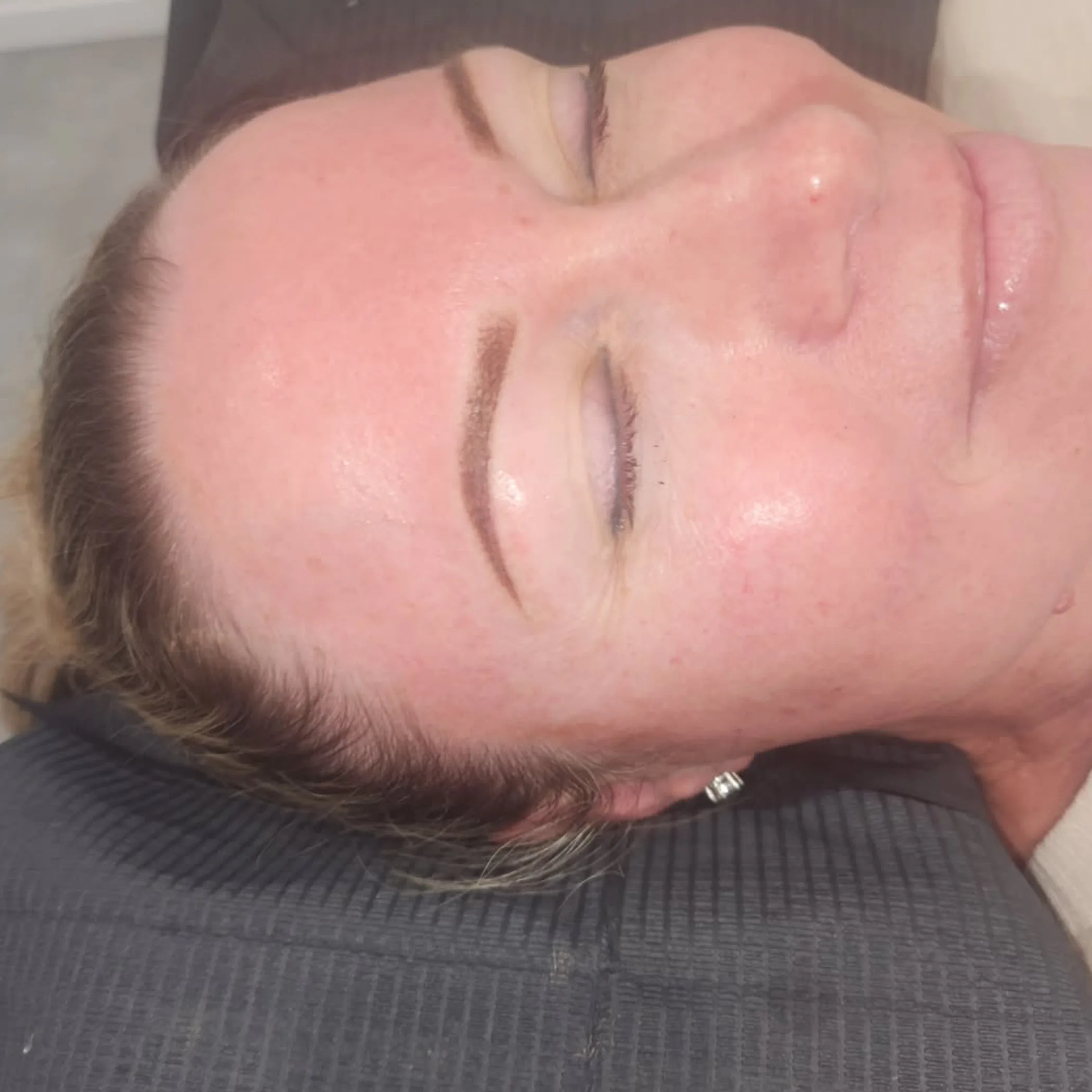
PMU colour is subject to the influence of the skin; oil, dryness, sensitivity, how fast it heals and the turnover of cells will all have a bearing on pigment retention. It is possible for two to be given the same colour and technique and yet the outcome is quite different.
It is not a matter of passing or failing on skin type. Before a colour or technique is put forward, a good practitioner will have made an assessment of the area, undertones, current pigment, what is realistic in terms of upkeep and lifestyle.
Oily Skin And Pigment Spread
With microblading in particular, the finer strokes can be broken down or blurred by oily skin in short order. The natural oils tend to make hair-like marks less defined, wider or softer as time goes on.
This is not to say permanent eyebrows are out of the question for the oily skinned, only that another approach to the technique, density of pigment or maintenance may be called for. In consultation the emphasis should be on how the result will age, not merely its appearance on the day of the procedure.
Dry Skin And Surface Flaking
Healing can leave the skin feeling flaky and taut. Do not pick at it or overdo the moisturiser, let alone use anything other than the product and quantity the practitioner has put at your disposal. Uneven colour is also a possibility on very dry or irritated skin in the healing phase, so hold off on passing judgement until it has calmed down. An early photo is of some use but not to be taken as gospel.
What Fading Looks Like
One does not see a neat and even vanishing of the colour when fading sets in. There may be a loss of definition, patchiness, lighter colour, softened strokes or a slow shift in the undertones.
The change in permanent makeup is often subtle. You may become aware of it in putting an old photograph next to a new one, or if one side of the face is not the same owing to the way you sleep, rub at it or are exposed to the sun.
Common Colour Changes
As the warmer elements of a black or dark brown pigment fade at their own pace, it can take on a greyish or blue tone. Brown may seem redder or orange. Lip blush can be more muted, eyeliner something of a soft shadow in place of a line.
None of this is to suggest the pigment is in any way defective or unsafe; it is a function of the original colour, skin chemistry, UV and how old the treatment is. Old pigment must be appraised by the practitioner before any more is added.
Expectation Versus Reality
The expectation is for the permanent makeup to require nothing and remain unaltered for years. In reality the shape and colour soften and to keep it even some maintenance is required. “Permanent” is a description of the longevity of the pigment, not a promise.
How Long Results Usually Last
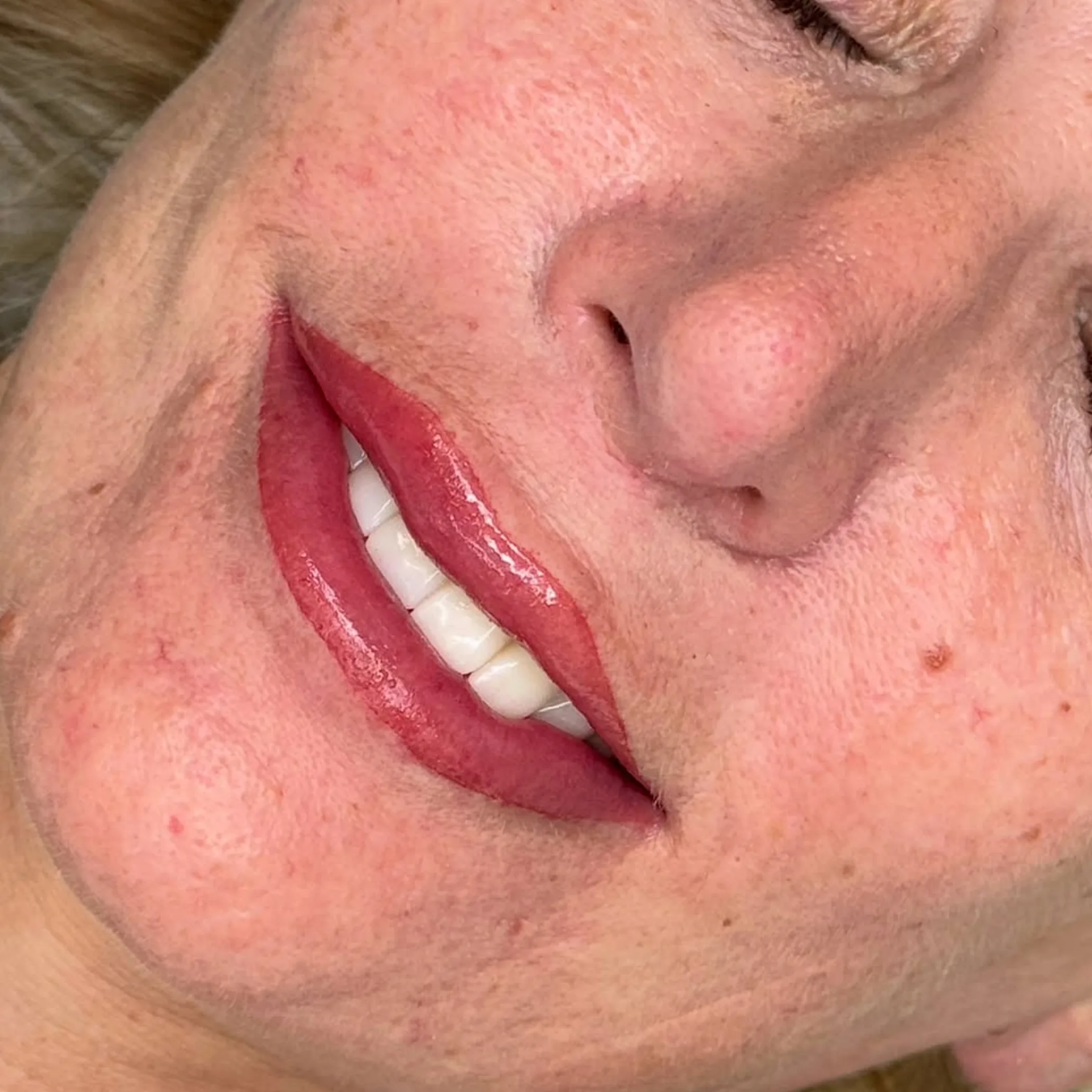
Ask how long permanent makeup will last and there is no Australian date of expiry to be had. Depending on the technique, the skin, the sun and one’s lifestyle, many will see results for a year or more.
The table below is for planning purposes and should not be read as a guarantee. Some will want a touch-up sooner, others are content to let the result go softer.
| Treatment | Common Fading Pattern | Factors That Speed Fading |
|---|---|---|
| Microblading | Fine strokes may merge and soften | Sweating, exfoliation, UV and oily skin |
| Permanent Eyebrows | Edges lose definition, colour lightens | An outdoor lifestyle, active skincare and the sun |
| Permanent Eyeliner | A softer line or shadow replaces the darkness | Rubbing, certain ways of removing make-up, UV |
| Lip Blush | More uneven and muted in colour | Picking at it while it heals, dryness, lip products and the sun |
One should not overlook the impact of skin treatments. The cosmetic tattoo will in time be put to the test by retinoids, acids and the like, as well as more forceful measures such as exfoliation, laser work or a professional peel, all of which can have an effect on how it looks and how long it lasts. It is best to apprise your practitioner of what you do for your skin on a regular basis when you make a booking.
The Right Season
For permanent makeup clients in Australia there are times that are preferable, namely when one can stay out of the sun and away from any heavy sweating, swimming or other outdoor obligations while the work heals. Autumn and winter suit many because the lower temperatures are less inviting of water activities.
But season is not the whole story. A summer week of doing nothing outdoors will present fewer aftercare problems than a ski trip, an outdoor vocation, a sojourn in the Top End or even a Queensland wedding in the depths of winter.
What Autumn and Winter Have to Offer
Autumn is a good compromise with its cooler weather and a holiday calendar that is not as full as in summer. Then there is winter, which can be more accommodating to those who can see to it that their skin is shielded from the elements and they forgo a day at the beach. Do not be fooled into thinking cool weather is an excuse to forgo sun protection; in southern Australia the dry air alone can be an irritant. Observe the instructions for keeping the area clean.
Risks of Summer and the Wet
With summer comes strong UV and more opportunity for outdoor pursuits, swimming and perspiration. Up north the wet season makes it harder to keep things dry with its humidity and the odd storm. An extreme heat wave or cyclone warning ought to be given precedence over a beauty session.
And put some thought into transport and parking. If the clinic is in a shopping precinct, covered parking or a drop-off is to be had, take advantage of it. There is no need to put in a long walk in the direct sun post treatment and break a sweat over it.
Preserving the Colour
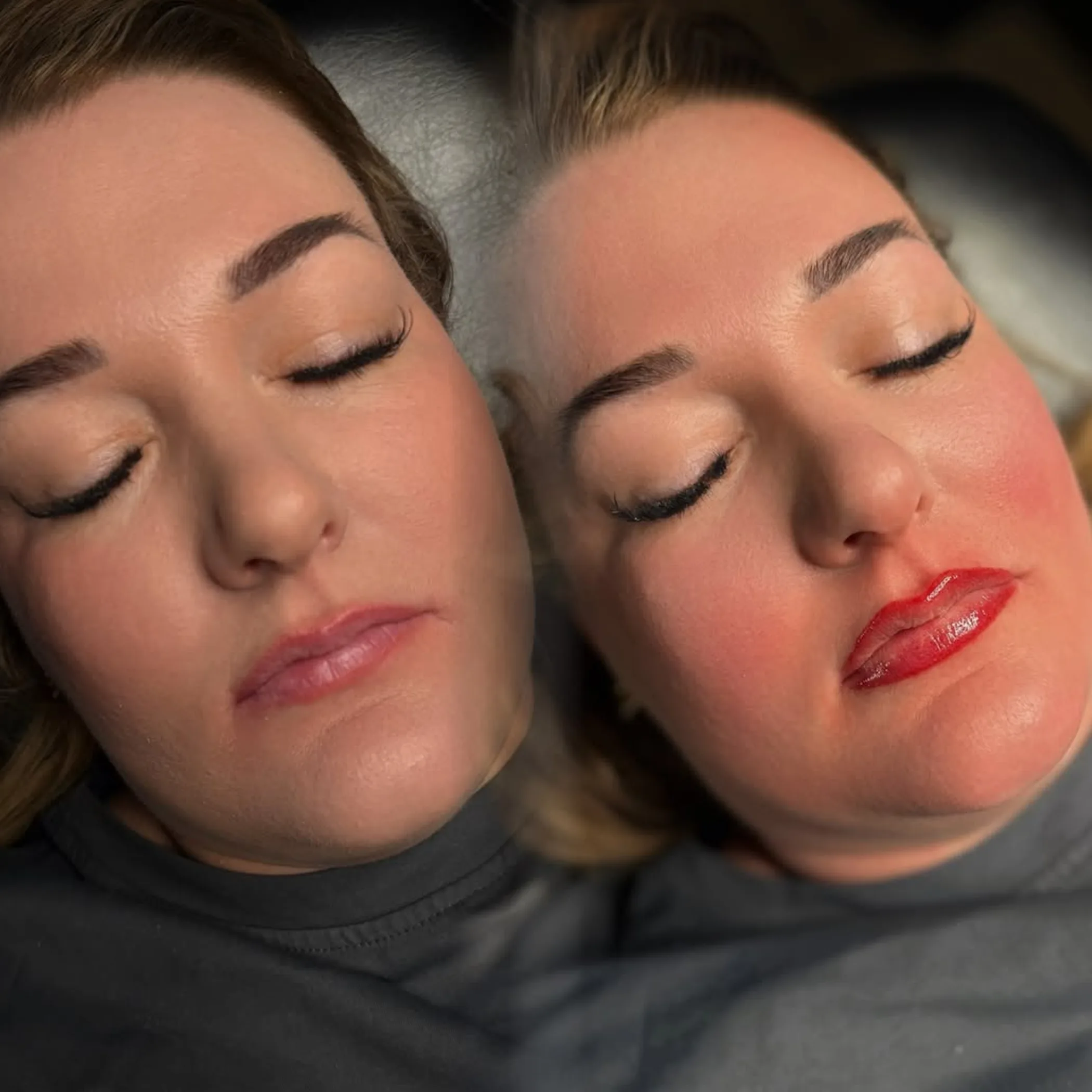
Consistent aftercare will help the result to settle and stem pigment loss where it can be avoided, though it will not prevent the natural fading process. It is a far cry from the glamour of some miracle serum but it is the way to go. Should healing seem anything but normal, get in touch with your practitioner; do not put stock in a beauty influencer’s product endorsement in lieu of proper counsel. Have the instructions in writing and the appointment details to hand.
A few simple protections
- Adhere to the cleaning and moisturising regimen put before you by the practitioner.
- Do not pick or scratch, and during the healing period shun the sauna, swimming and anything that would cause you to sweat.
- Put on a hat and sunglasses and find some shade.
- Once healed, apply sunscreen of the right kind and reapply as necessary.
- Exercise caution in the vicinity of the pigment with peels, lasers, retinoids and the rest.
- Make a note of the outcome with a photograph under the same lighting so any changes are apparent.
To Refresh or Not
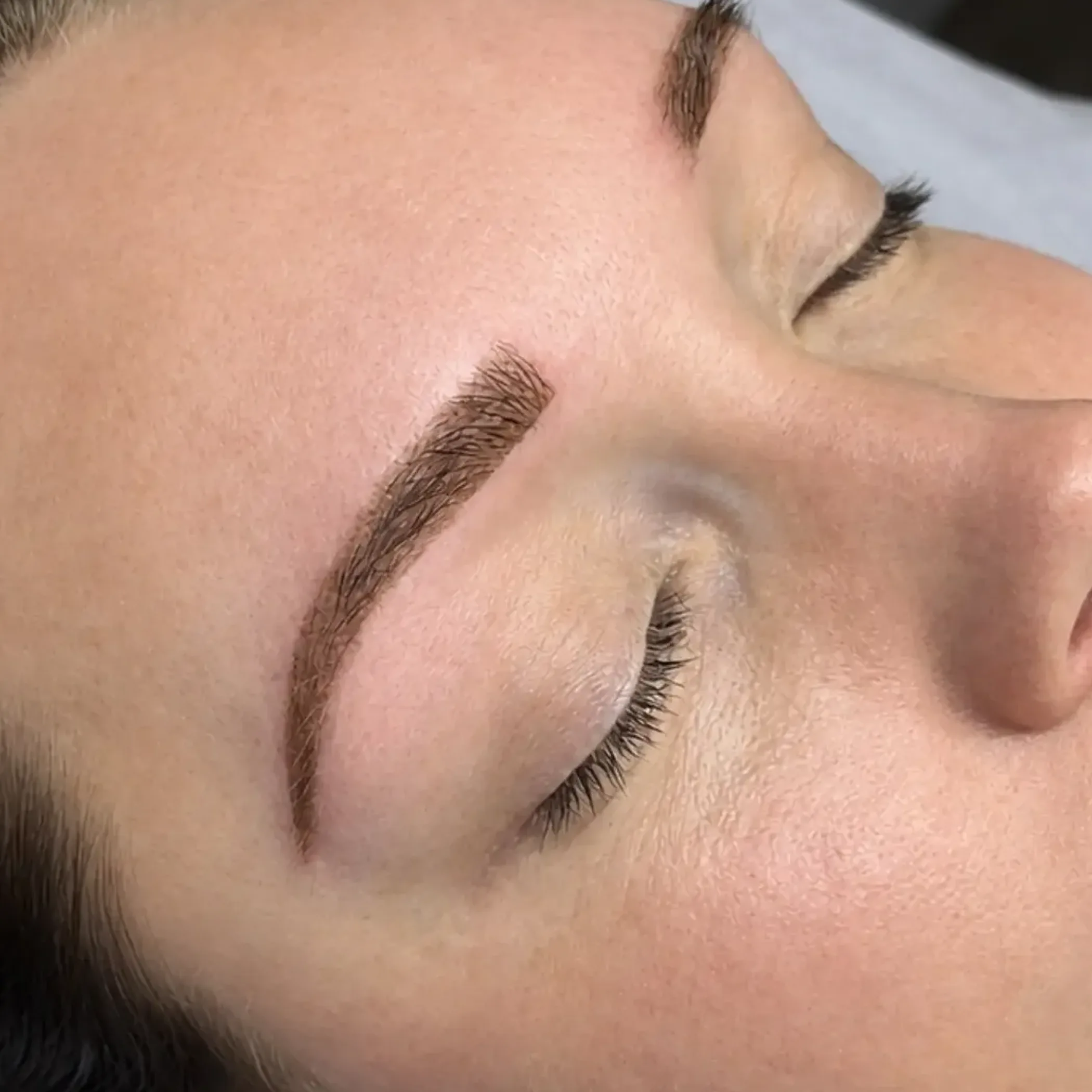
When definition is lost to fading or a spot has not come through evenly, a PMU touch-up is in order. It is not something to be done every year as a matter of course. Let the pigment finish changing and then decide; putting colour on too early runs the risk of undue density if the skin is yet to heal.
Touch-Ups Versus Corrections
As for a correction, a touch-up is simply a means of putting some life back into a shape and colour that is otherwise fine. One has to be more circumspect with colour correction; the practitioner is obliged to make an appraisal of any old pigment before a new tone is put forward. A warm colour applied to a cool, grey or blue outcome is not necessarily going to do the trick and will only complicate matters should removal or further correction be required down the line.
We would ask that you come prepared with information on any prior treatments. Old photos, dates and the like are useful. Be forthright if you have had work done in another establishment. There is no place for surprises at a cosmetic tattoo consultation, as entertaining as they might be at a party.
Frequently Asked Questions
You will find these questions asked of us often, since “permanent” is a more absolute word than the treatment warrants. The answer in practice is contingent on such things as the skin, the climate, maintenance and the pigment itself.
Does Permanent Makeup Fade?
It does. Over time the makeup will fade in step with the way the skin renews and processes the pigment and the effects of the environment. The pattern and rate of fading can be dictated by your skin type, sunscreen use, exfoliation, time in the sun or even swimming and sweating.
What Will Permanent Eyeliner Be Like In Five Years’ Time?
In all likelihood it will be less defined, softer or lighter than at first. For some there is still a distinct line to be seen, for others a faint shadow with its share of unevenness. It is a matter of how deep the application was, the pigment, UV exposure and whether one has been diligent with maintenance appointments.
Are There Any Drawbacks To Permanent Eyebrows?
Aside from the fact that results can be hard to change once the shape or colour is no longer to your liking, you may see the colour change over time or become uneven. Pigment migration is another possibility as is the requirement for upkeep. Choosing your practitioner with care and having a conservative consultation will mitigate these risks if not eliminate them.
Is An Mri Possible With Permanent Makeup?
For the most part yes, but the radiographer should be made aware of it in advance. On rare occasions an older or certain type of pigment can give rise to some irritation or a tingling sensation when being scanned. The imaging team will be able to advise you after they have looked at the circumstances and the pigment data.
Will Sunscreen Put An End To Fading?
Not entirely. While it curbs UV exposure it is no panacea. Make use of physical protection in the form of a hat or sunglasses and stay in the shade. Once healed put on your sunscreen as you should, taking care not to get product in the eyes or on compromised skin.
A Softer Result Is What To Expect
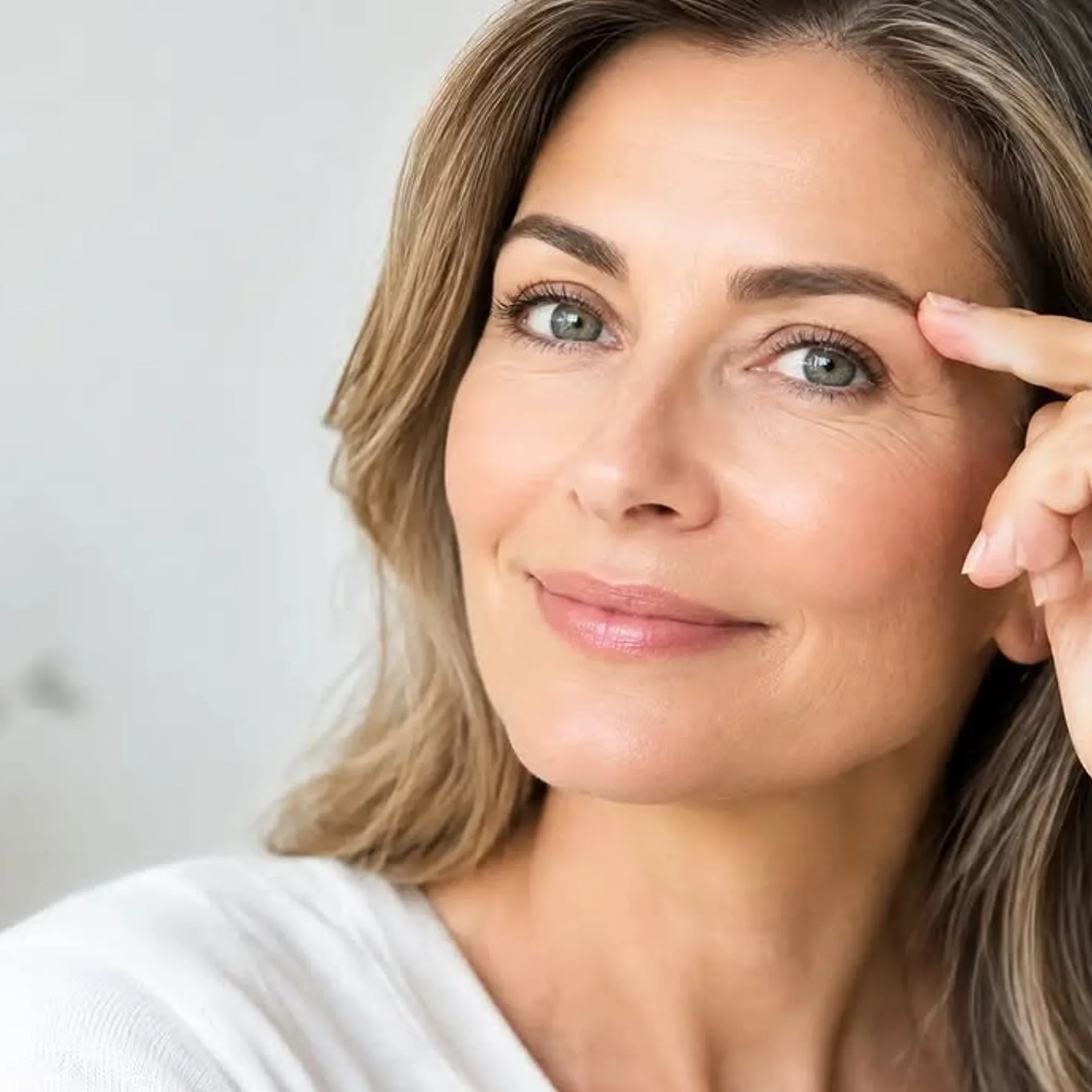
The kind of fading our clients in Australia put up with is typically due to a confluence of factors: their skin, the weather, UV and how they live their day to day. The humidity in Brisbane or a propensity for outdoor exercise and the beach means you may have to book for maintenance sooner rather than later. Sensible sun protection and aftercare will go some way to holding the colour.
There is no point in aiming for something frozen in time. You want an even colour you can wear that will fade in a controlled manner and be amenable to a safe refresh. Make sure the appointment fits with your life and read over the plan, enquire as to how your skin is likely to react. In this way you keep the face you are used to and are not taken aback by anything you could have foreseen.